Brewing
Espresso Tonic: the fizzy coffee recipe for summer

Espresso Tonic: the coffee that tastes like summer
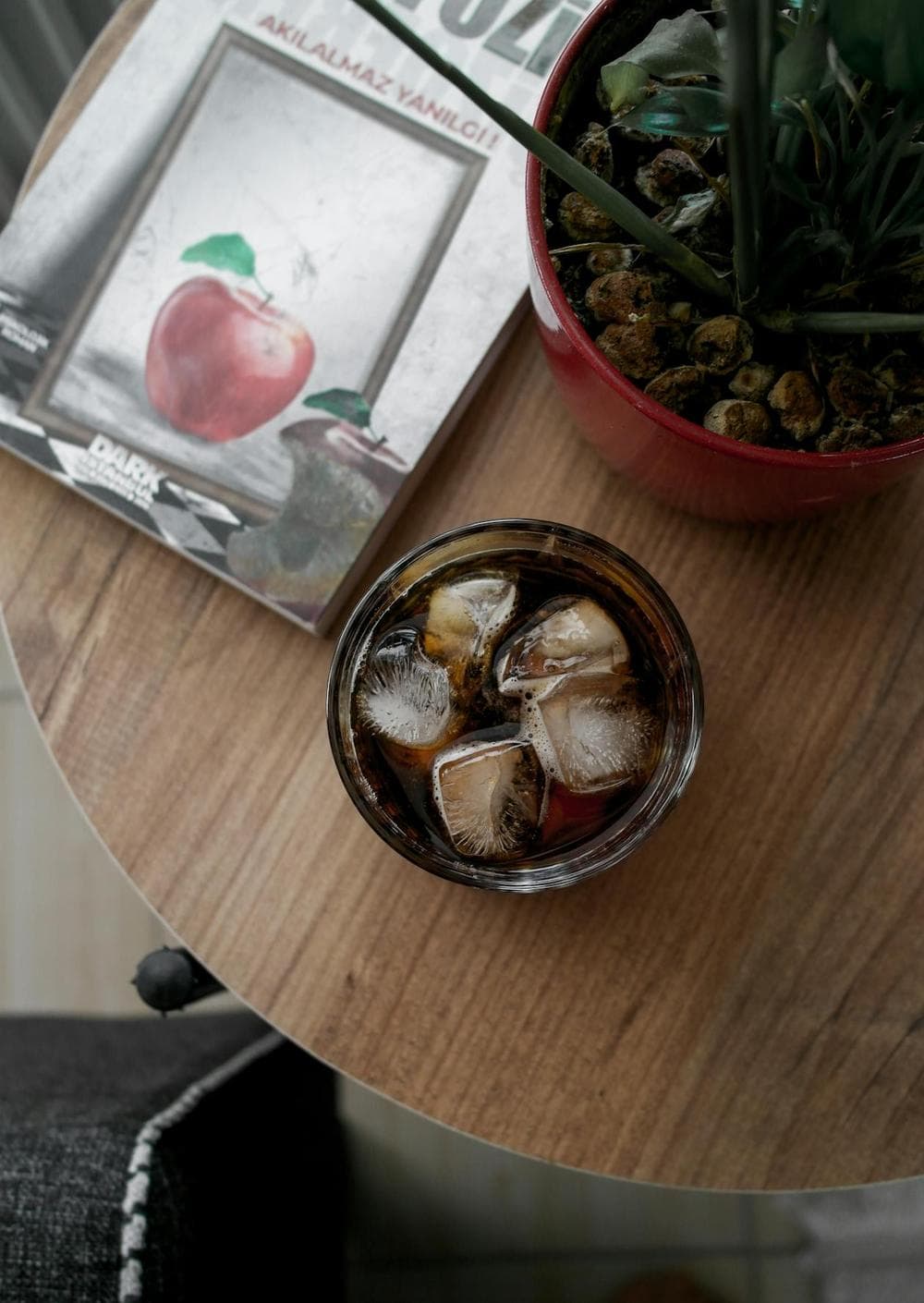
Picture a hot afternoon. You want coffee, but not a hot one. You want something cool, but not another lemonade. That is exactly the gap the espresso tonic fills: an espresso poured over ice onto tonic water, fizzy, bitter, fruity and made in two minutes. The first time, you watch it while you drink, because the dark espresso sits on top of the pale tonic and then slowly trickles down in streaks. After that, you just drink it all summer long.
What is an espresso tonic?
At its core it is only two ingredients: espresso and tonic water. Tonic is not ordinary sparkling water. It contains quinine, which gives it that fine bitterness, and a little sugar to balance it out. When a concentrated, slightly tart espresso meets this bittersweet, fizzy water, you get something that tastes surprisingly of citrus and sometimes even of cherry cola. Cool, light, grown up. Not a milky coffee, not a soft drink, but something in between.
Where does the espresso tonic come from?
The story leads to Scandinavia. In 2007, in Oslo, a barista threw together whatever was left the day after a staff party: some tonic, a splash of syrup and an espresso. Standing at the counter were Anne Lunell and Charles Nystrand, two Swedish barista champions. They loved it so much that they took the drink home to their own roastery, Koppi in Helsingborg, Sweden. There it went on the menu as "Kaffe & Tonic" and became a favourite. Through barista competitions it spread across Scandinavia in the 2010s and finally all the way to North America. Today you find it in good cafes from Stockholm to Zurich.
Which coffee works?
This is where the espresso tonic turns out boring or brilliant. Dark, heavy roasts with a lot of bitterness clash with the quinine in the tonic and quickly turn harsh. Light to medium roasts with clear fruit and acidity work much better. An Ethiopian with notes of bergamot, lemon and flowers is made for this, because the tonic amplifies its freshness. Fruity beans from Latin America play along too, a Colombian can give the drink that cherry cola note. If you want to know where those aromas come from, read our piece on flavour in coffee. The rule of thumb: the fruitier and livelier the espresso, the better the tonic.
How to make it at home
You do not need bar equipment, just a tall glass, ice, good tonic water and a fresh espresso. The common ratio is one to three, one part espresso to three parts tonic. If you like it stronger, go to one to two.
Fill the glass generously with ice. Pour in the cold tonic and leave some room at the top. Then brew your espresso, single or double. Let it cool for just under a minute so it does not make the drink foam up, then pour it slowly over the back of a spoon or gently straight on top. That way the espresso first rests on the tonic and then sinks down in streaks, which is the lovely moment. Add a slice of orange, lemon or lime, stir briefly, drink right away.
The small mistakes that make the difference
Three things often go wrong. First: the tonic is flat. Tonic loses its fizz quickly, so use a freshly opened bottle, not yesterday's leftovers. Second: too much espresso. The tonic is not a side note but half the drink, so stick to the ratio. Third: pouring too fast. Tip the espresso in and you get a foamy, cloudy cup instead of clean layers. Slow is prettier here. And drink it promptly, because the fizz is the best part and does not last forever.
How much caffeine is in it?
Exactly as much as in the espresso you use. A single espresso carries roughly 65 milligrams of caffeine, a double around 130. The tonic changes nothing about that, it only makes the coffee longer and cooler. If you want one in the late afternoon, just use a single shot or reach for decaf espresso. For more on how much caffeine is really in coffee, see our article on caffeine.
Variations for later in summer
If the espresso is too intense for you, swap it for cold brew. That gives a softer, rounder coffee tonic you can sip for hours. A squeeze of lemon, a sprig of rosemary or a few drops of elderflower tonic add new directions. Only one thing stays essential: the coffee has to be good. A mediocre espresso does not get better with tonic, a good one becomes a summer drink your guests will not forget.
Try it with good coffee
The espresso tonic is the easiest way to experience a light, fruity specialty coffee in a new way. Pick a lively, fruit forward bean from a small Swiss roastery and treat it to a hot afternoon in a glass. On our marketplace you will find exactly those beans, freshly roasted and ready for your first glass.