Coffee Knowledge
Understanding Coffee Flavor: How to Learn to Taste Coffee
Understanding Coffee Flavor: How to Learn to Taste Coffee
Coffee doesn't just taste good or bad. Coffee has profiles. Notes. Character. But to recognize that, you must train. It's like wine tasting - the more you practice, the more you notice.
The SCA Flavor Wheel
The Specialty Coffee Association created a tool : the SCA Flavor Wheel. It's a wheel with taste families. At the top are broad categories : fruitiness, nuttiness, florals, roast notes, acidity, etc. The deeper you go into the wheel, the more specific the notes become : not just "fruitiness", but "apple", "bergamot", "blackcurrant".
The Flavor Wheel is not an instruction manual. It's a dictionary. It helps you find words for what you taste.
Cupping - The Method
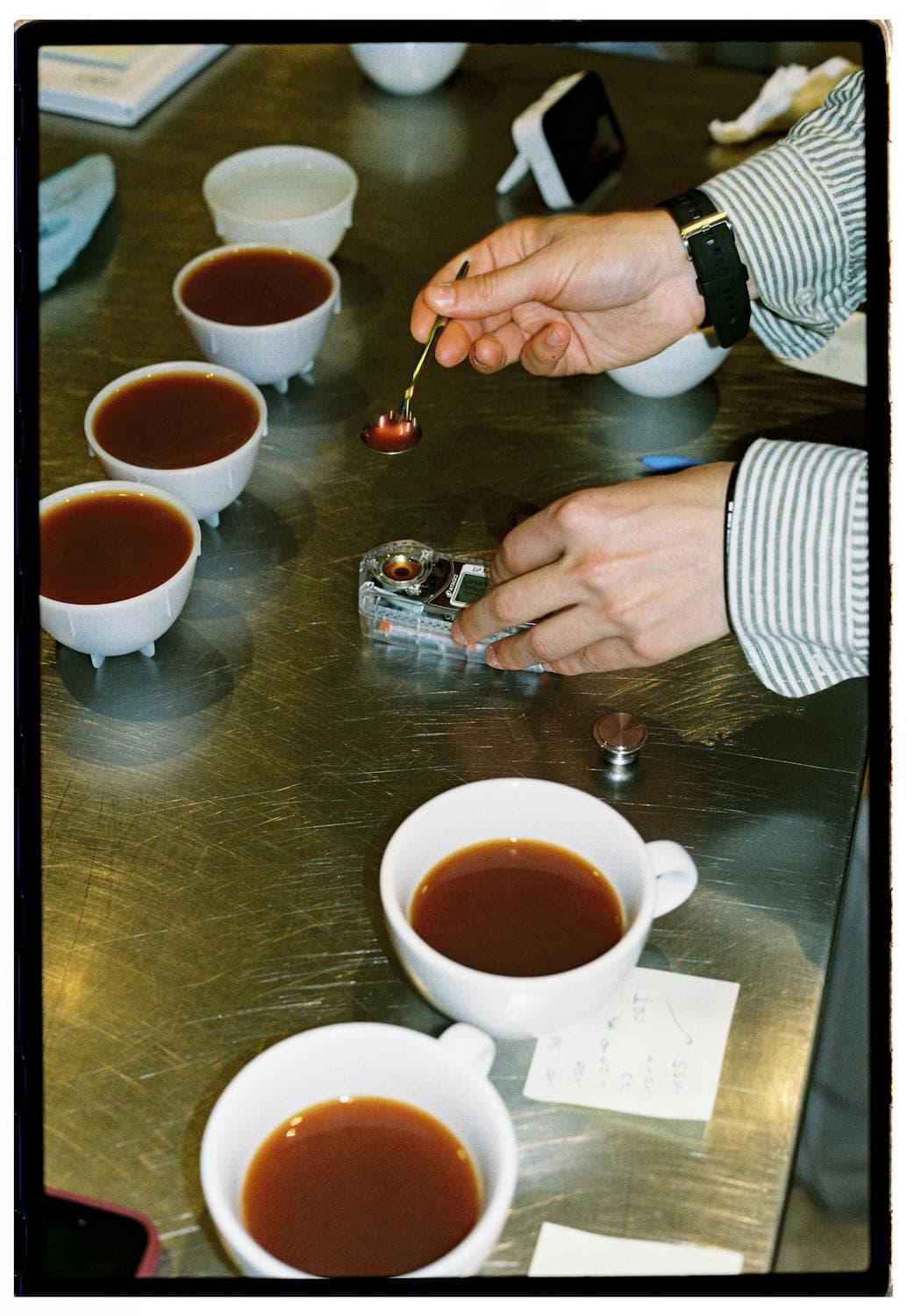
When experts taste coffee, they do "cupping". It's a standardized procedure:
- Grind coffee coarsely - not too fine, not too coarse
- Put it in a cup and pour hot water (about 93 degrees) over it
- Wait 4 minutes until the coffee settles
- Smell the vapors - that's the aroma
- Slurp the coffee quickly so it sprays over your tongue - important for taste distribution
- Taste at different temperatures : hot, lukewarm, cold
- Write down your observations
Cupping is a science. But the good news : you can do it at home too.
Tasting Notes - The Language
When a roaster writes "bergamot and florals", they mean : these notes are in this coffee. Tasting notes aren't fantasy - they're real aromas that experts found. Sometimes they're secondary aromas, not the main note. But they're there.
How do you read tasting notes? The package might say : "Ethiopian Yirgacheffe with notes of blüberry, jasmine, chocolate". That means : this coffee is predominantly fruity-floral with underlying chocolate aromas.
The Taste Families
Fruitiness: Most common in specialty coffees. Not "fruit jam", but subtle fruit aromas. Bergamot (from Ethiopia), blüberry, cherry, citrus. This comes from altitude and soil.
Florals: Jasmine, rose, hibiscus. These notes are fine, elegant. They come from specific growing regions and roasts.
Nuttiness: Almond, hazelnut, peanut. Common in Brazilian or Indian coffees. The body is fuller.
Chocolate: A broad spectrum : from dark chocolate to milk chocolate. This is a "safe" note - almost everyone finds it. Darker roasts have more chocolate aromas.
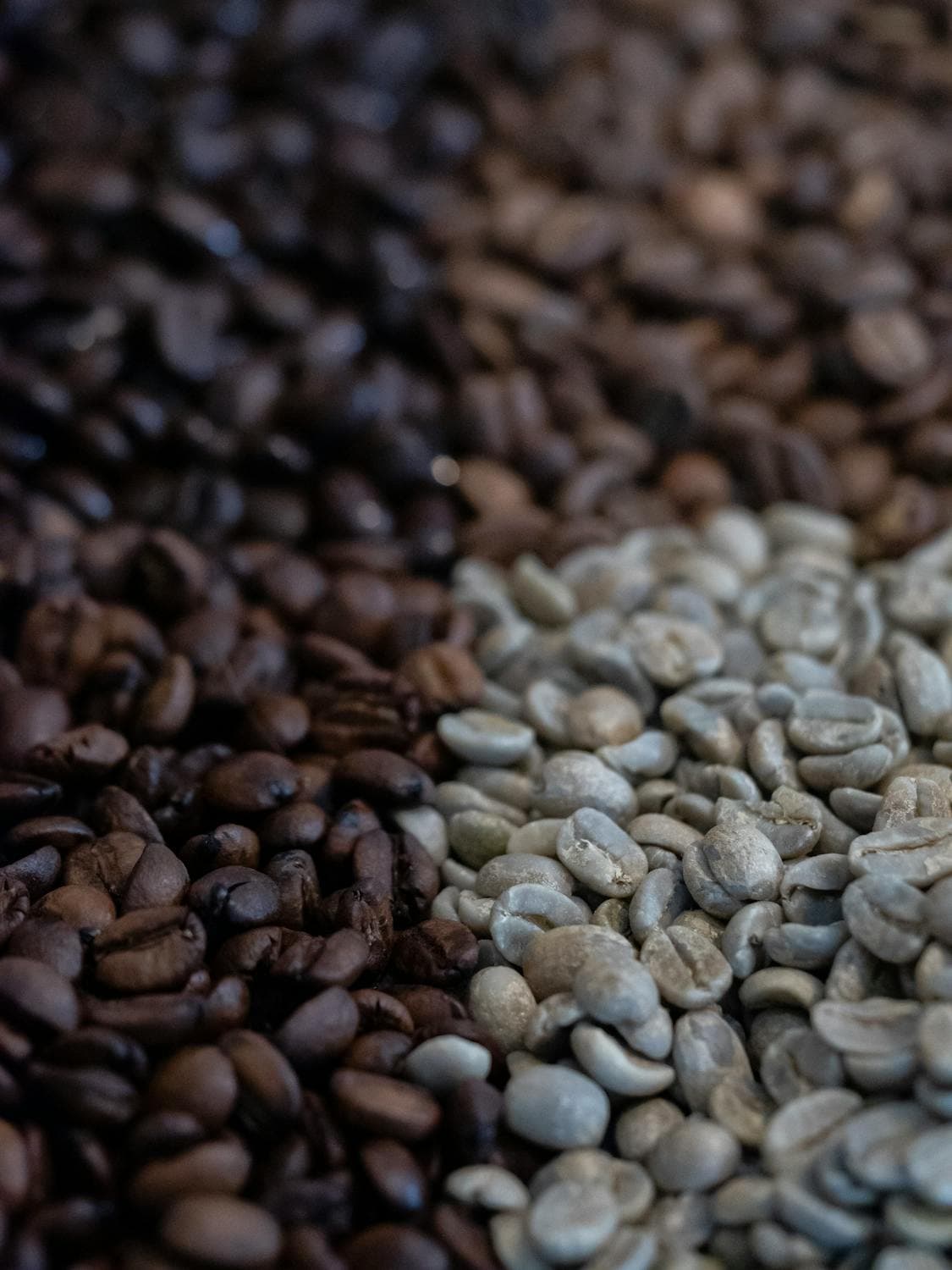
Roast Aromas: Coffee isn't just the bean - it's also the roast. Dark roasted gives tobacco, leather, smoke. Light roasted gives grass, grain, nuttiness.
How You Train
1. Compare: Buy two different coffees. Taste them side by side. The difference becomes clearer.
2. Smell: Aroma makes 80% of taste. Smell intensely. Close your eyes and breathe the coffee.
3. Taste at Different Temperatures: Hot coffee tastes different from the same coffee lukewarm or cold. So: wait and taste multiple times.
4. Take Notes: Write what you taste. Over time you develop vocabulary.
5. Repeat: Taste the same coffee multiple times. The palate learns.
The Beginning
You don't need to become a Q-Grader. But when you train, you notice: good coffee has variety. Bad coffee tastes flat, bitter, dead. Great coffee is alive - complex notes, balance, length (the flavor stays after swallowing).
With every Röstpost subscription you get a new roast every week - perfect for training. Every week a new chance to develop your palate.