Brewing
How to Make Cold Brew at Home: The Complete Guide
How to Make Cold Brew at Home: The Complete Guide
Cold brew isn't just cold coffee. It's its own brewing method, its own flavor, its own world. While hot coffee gets extracted in minutes, cold brew takes its time. A lot of time. 12 to 24 hours during which cold water slowly pulls everything it can from the coffee. The result tastes different from anything you know from hot brewing. Smoother, sweeter, rounder. And once you understand it, you'll never go back.
What Cold Brew Actually Is
In cold brew, coarsely ground coffee meets cold water and stays there for hours. No heat, no pressure, just patience. Because the water is cold, bitter and acidic compounds extract much more slowly than in hot brewing. Sweet aromas, chocolate, caramel, fruit have the time to fully develop. Studies from Thomas Jefferson University have shown that cold brew contains around 60 percent less acid than conventionally brewed coffee. That makes it gentler on the stomach, easier to drink, and less aggressive on the palate.
Cold Brew Is Not Iced Coffee
This gets confused often. Iced coffee is hot-brewed coffee chilled with ice. Cold brew is made with cold water from the start. The taste difference is clear. Iced coffee tastes like chilled coffee, fairly bright, slightly sour, sometimes a little watery from the melting ice. Cold brew tastes full, dark, almost chocolatey, with low acidity and a long, sweet finish. Both are good, but they aren't the same thing.
A Short History
Cold brew sounds like a hipster trend but is actually old. The method goes back to the 17th century. Dutch sailors brewed coffee with cold water because open flames were forbidden on wooden ships. The method made its way to Japan via trade and was perfected in Kyoto. To this day, Kyoto cafés have large glass towers where water drips through coffee for hours. That's where the name Kyoto Slow Drip comes from. Cold brew arrived in the West as a mass phenomenon only in the 2010s through Californian specialty cafés.
What You Need
Good news: you barely need any equipment. A large glass jar with a lid, a sieve or fine cloth for filtering, a scale, and obviously coffee and water. There are dedicated cold brew carafes with built-in filters, but they're not required. A French press also works perfectly because it combines filter and vessel in one.
The Ratio
This is the most important lever. For a concentrate that you dilute later with water or milk, use a 1 to 8 ratio (so 100 grams of coffee to 800 grams of water). If you want to drink the cold brew straight without diluting, go to 1 to 12 or 1 to 16. A good starting point is 1 to 8 as a concentrate because it gives you flexibility. A concentrate easily keeps for a week in the fridge.
The Grind
Grind coarse. As coarse as for a French press, or even a touch coarser. Picture: coarse sea salt. If you grind too fine, your cold brew turns bitter and cloudy because the particles stay in contact with the water for too long. A decent grinder really matters here. Pre-ground supermarket coffee doesn't work well because it's usually far too fine.
The Method
Weigh your coffee. 100 grams for a good concentrate. Grind coarse. Put it in your jar. Pour 800 grams of cold or lukewarm water over it slowly so the coffee is evenly soaked. Stir briefly. Cover the jar. Let it sit at room temperature or in the fridge for 12 to 18 hours. The fridge takes a bit longer but gives you a cleaner, more stable result.
After the waiting time, filter the coffee. First roughly through a sieve, then fine through paper, cloth, or a clean kitchen towel. Patience pays off here. Cold brew rushed through a filter turns cloudy. Bottle the concentrate and store it in the fridge. Done.
How to Drink It
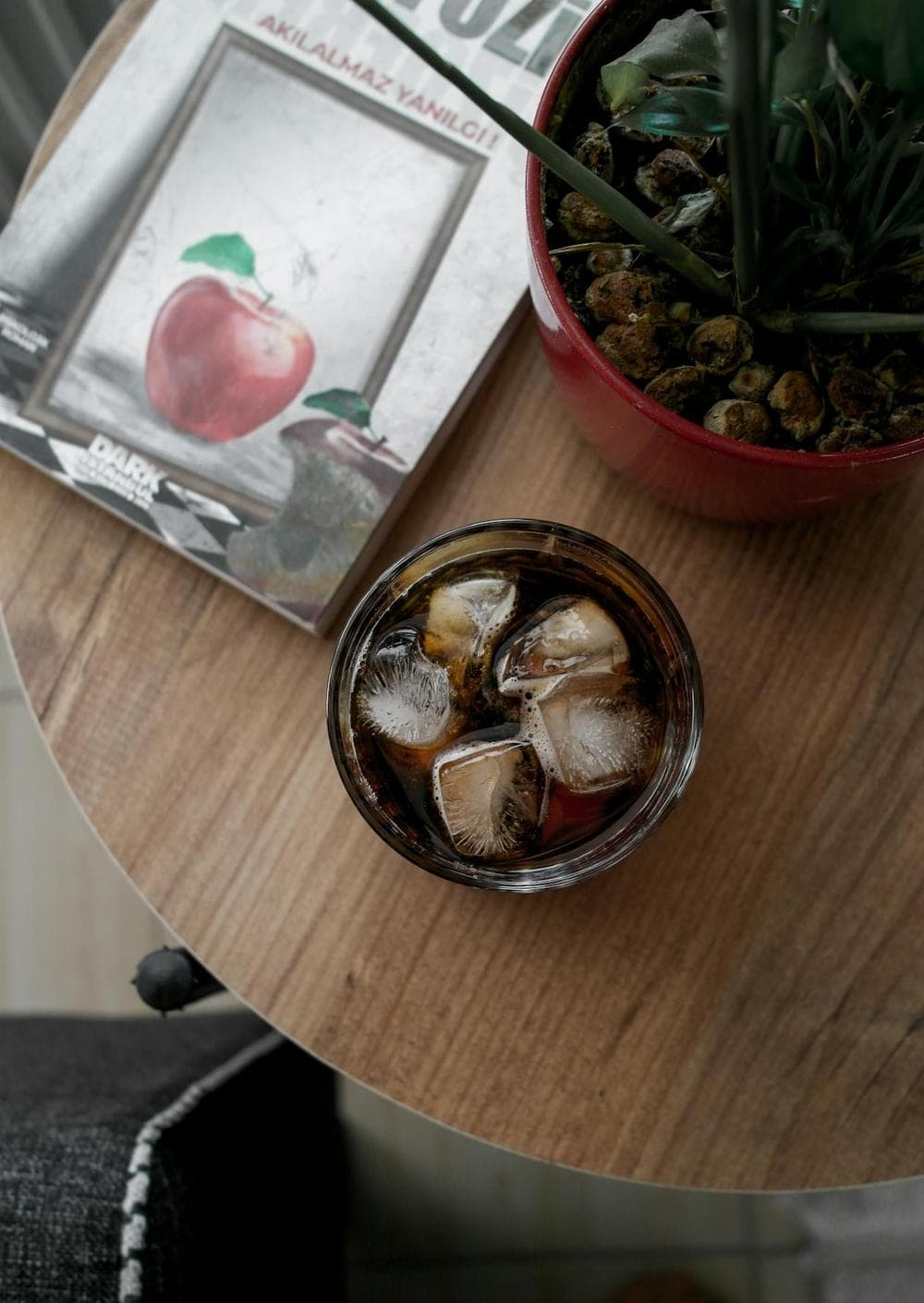
Concentrate means concentrate. Drunk neat, it's extremely strong. Dilute it with cold water at a 1 to 1 ratio, or with milk and ice for a cold brew latte. The right way: a few ice cubes in a glass, half concentrate, half cold water, a splash of oat milk or milk of choice. No sugar needed. The natural taste is sweet enough.
Which Beans Work
Almost all of them. But beans with chocolate, nut, and caramel notes are particularly beautiful because those flavors really shine through long extraction. Brazil, Honduras, Colombia are classic cold brew beans. Ethiopian naturals with fruit and berry notes also work very well. They often taste surprisingly like cold berry water in cold brew, in the best sense. The only thing that matters: freshly roasted and good quality. Bad coffee doesn't get better through long extraction. Quite the opposite.
The Effort Is Worth It
Cold brew needs no expensive equipment and no skills. What it needs is time. Start in the evening, by the next morning it's ready. A jar of concentrate lasts a whole week. In summer there's nothing more refreshing. In winter you can also drink it hot by diluting the concentrate with hot water. Tastes different from regular filter coffee but very fine.
At Röstpost
Fresh, high-quality beans are the foundation of good cold brew. On our marketplace you'll find specialty coffees from over 200 Swiss roasteries. Pick a bean with chocolate or caramel notes, grind it coarse, and give it a try. You won't regret it.