Coffee Knowledge
Why Is Coffee Bitter? The Real Reasons

Does your coffee taste bitter? It is almost never the caffeine
Bitter is the word most people associate with coffee, and often the reason someone says they do not like it. What almost always slips through: bitterness is not fate. It comes from a few very specific compounds in the bean and from what happens during roasting and brewing. Once you understand where it comes from, you can control it. And no, it is not the caffeine.
The biggest myth: caffeine
Almost everyone believes coffee is bitter because it contains caffeine. That idea has stuck around for decades, but it is wrong. Caffeine does taste bitter on its own, yet it accounts for only around ten percent of the total bitterness in coffee. The simplest counterproof sits on every shelf: decaffeinated coffee still tastes bitter, even though the caffeine has been almost entirely removed. Caffeine is the passenger, not the driver.
Where the bitterness really comes from
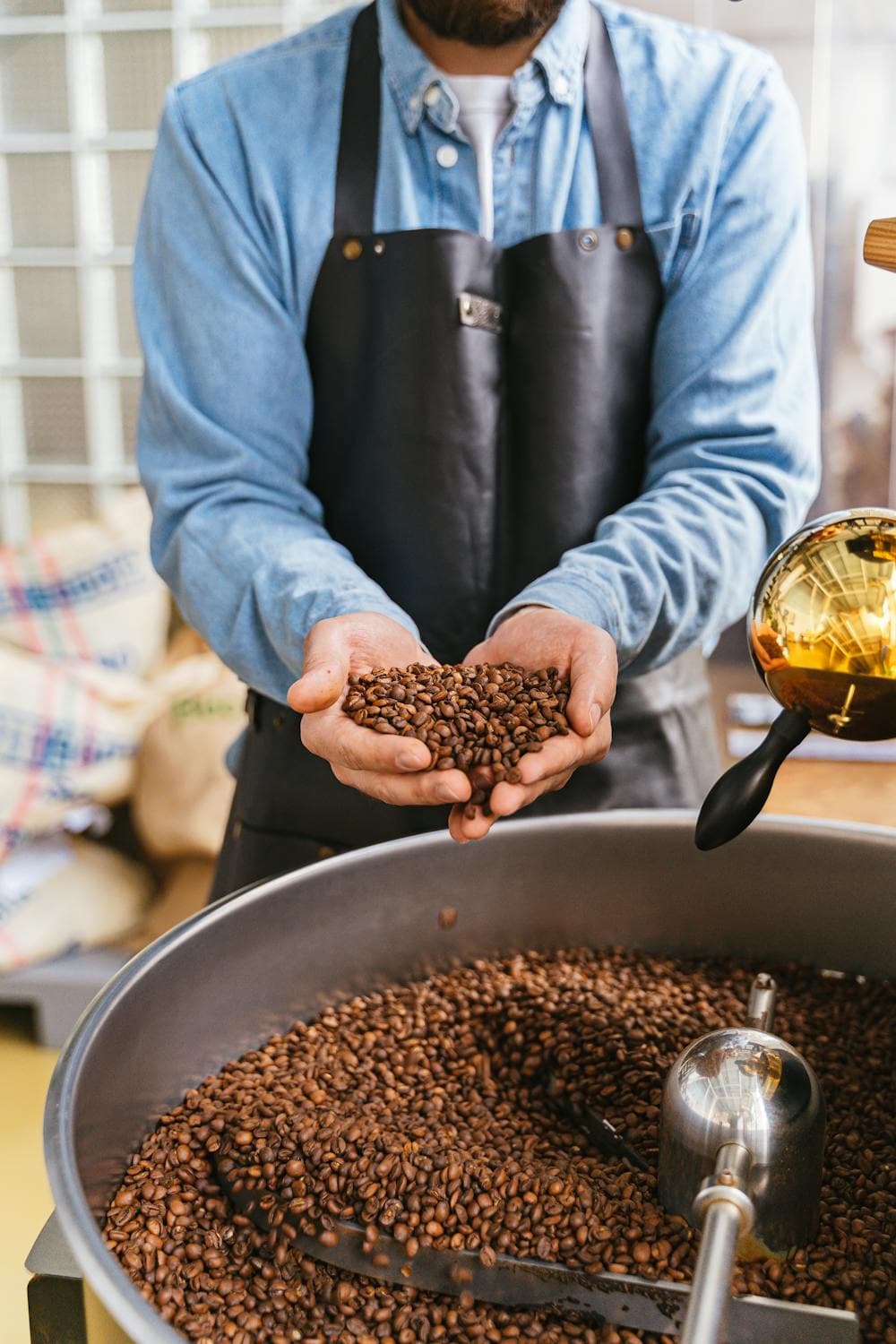
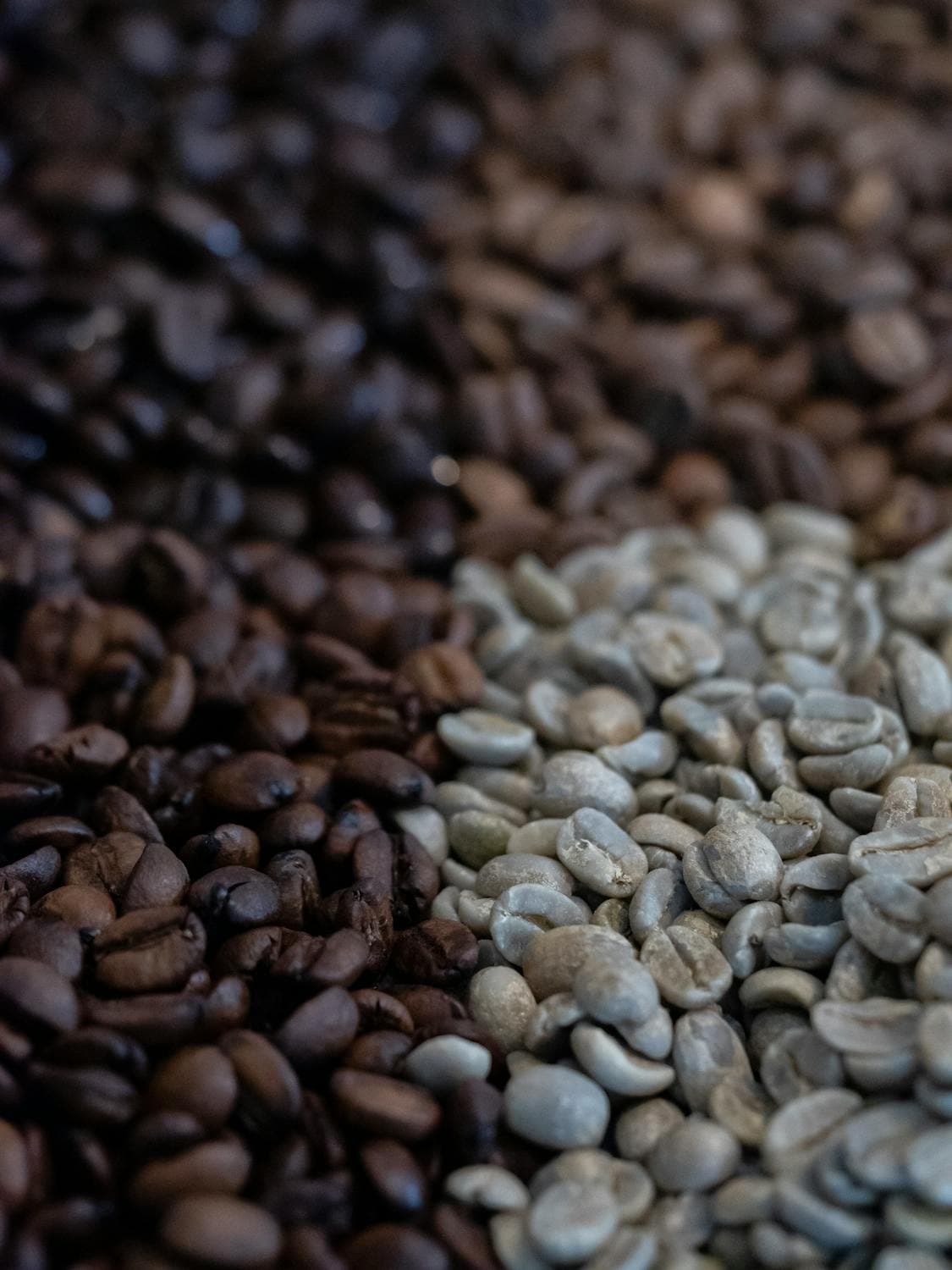
The lead role goes to a group of compounds that only forms during roasting. The raw bean contains chlorogenic acid, around six to twelve percent depending on the variety. On its own it tastes sour, not bitter. During roasting it transforms: it becomes what are called chlorogenic acid lactones, and those are responsible for roughly sixty to seventy percent of the bitterness. Something sour is turned into something bitter by heat. That is the real origin.
If you push the roast further, these lactones break down into a second group, the phenylindanes. They add another ten to fifteen percent, but they taste distinctly harsher and linger longer in the mouth. They are the reason very dark roasts and strong espresso have that scratchy, almost smoky bitterness. The rest is shared between caffeine and a whole range of compounds that research still has not fully decoded.
Why dark roasts taste more bitter
The longer and hotter the roast, the more of the harsh phenylindanes form. A light to medium roast keeps mostly the milder lactones and with them a round, pleasant bitterness. A very dark roast tips toward the scratchy version. This is not a question of good or bad, it is a question of style. If you want to know more about the levels, see our piece on roast levels. A curious side note: this reaction never fully stops. Coffee left sitting on a hot plate keeps getting more bitter over time.
Bitter is not just bitter
People tend to think too black and white here. A certain bitterness belongs to good coffee, just like with dark chocolate or a good beer. Without it, coffee tastes flat. There is a round, soft bitterness that gives the drink depth, and a harsh, scratchy one that is simply unpleasant. Good coffee is a balance of acidity, sweetness and bitterness. Only when the bitterness drowns out everything else does something go wrong. By the way, about half of all people are genetically sensitive to bitter compounds. So anyone who almost reflexively adds milk and sugar is not imagining it, they really do taste it differently.
The second source: your brewing
Even the best coffee turns bitter if you brew it wrong. The technical term is over-extraction: you pull too much out of the grounds, including the compounds that go into solution last and most reluctantly, and those taste bitter and dry. The Specialty Coffee Association names a target range, the Golden Cup standard: around eighteen to twenty-two percent of the coffee's soluble material should be extracted. Below that it gets sour and thin, above it bitter and astringent.
Three things decide this in practice: the grind, the water temperature and the time. Ground too fine means too much surface area and therefore almost always over-extraction. Water that is too hot, well beyond the usual, also pulls more bitter compounds. And too long a contact time between water and coffee does the rest. More on this in our pieces on grinding and extraction.
What you can do about unpleasant bitterness
If your coffee tastes too bitter, start with the brewing before you blame the bean. Grind a bit coarser, that is the biggest lever. Let the water rest briefly after boiling, around two to three minutes, instead of pouring it boiling over the grounds. Shorten the brew time if you work with methods like the French press. And take the coffee off the hot plate as soon as it is done. If none of that helps, it might really be the bean: a lighter roast naturally brings less harsh bitterness. Anyone looking for a fruitier, livelier cup should lean toward light roasts and fine acidity anyway, more on that in our text on coffee acidity.
In the end, bitterness is not an enemy but a dial. With the right grind, the right temperature and a bean that suits your taste, you have it under control. If you feel like discovering small Swiss roasteries that choose their beans and roast profiles precisely for this balance, you will find them on our marketplace.