Coffee Knowledge
Coffee Acidity: Why It Is Not What You Think
Coffee acidity: why it is not what you think
Acidity in coffee has a bad reputation. A lot of people hear the word and immediately think of heartburn or of a coffee that just tastes too sour. Neither has much to do with what specialty roasters and Q-Graders mean when they talk about acidity. In specialty coffee, acidity is a quality marker. When it is missing, coffee tastes flat. When it sits well, the coffee comes alive.
What we are actually talking about
The Specialty Coffee Association defines acidity as the perception of sourness that the brew triggers, varying in intensity and character. It is a taste impression, not a chemical reading. On the cupping form, acidity is one of the seven scored attributes. Q-Graders ask two questions when they taste it. How intense is it, and is it pleasant or just sour ?
Good acidity tastes bright, clear, lively. It is compared to apple, lemon, berry or grape. Bad acidity tastes sharp, biting, one-dimensional. The difference is not in the amount, it is in the quality.
What is actually acidic in coffee
Coffee contains many acids at once. The main ones are chlorogenic acid, citric acid, malic acid, acetic acid, lactic acid and quinic acid. Each one tastes different.
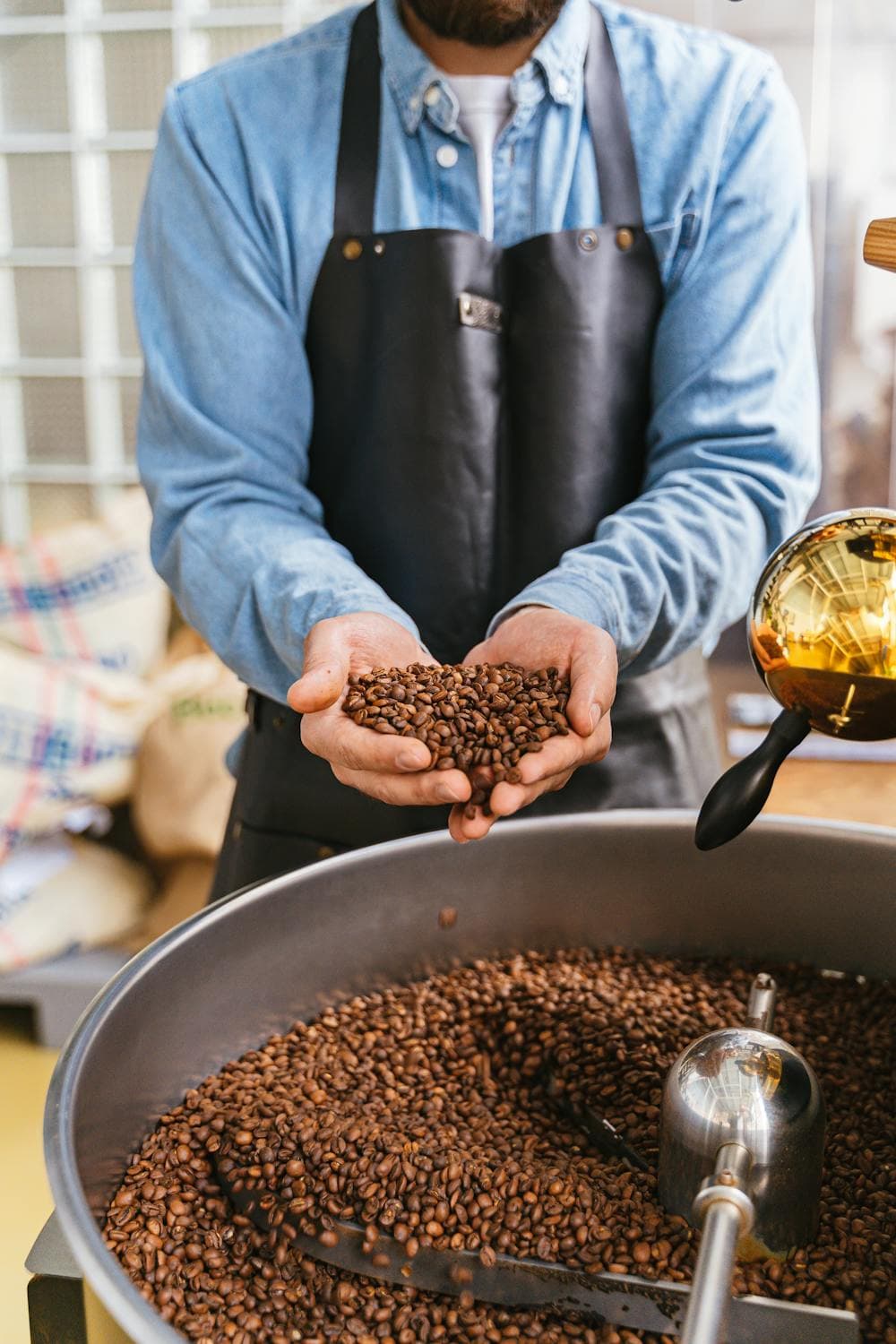
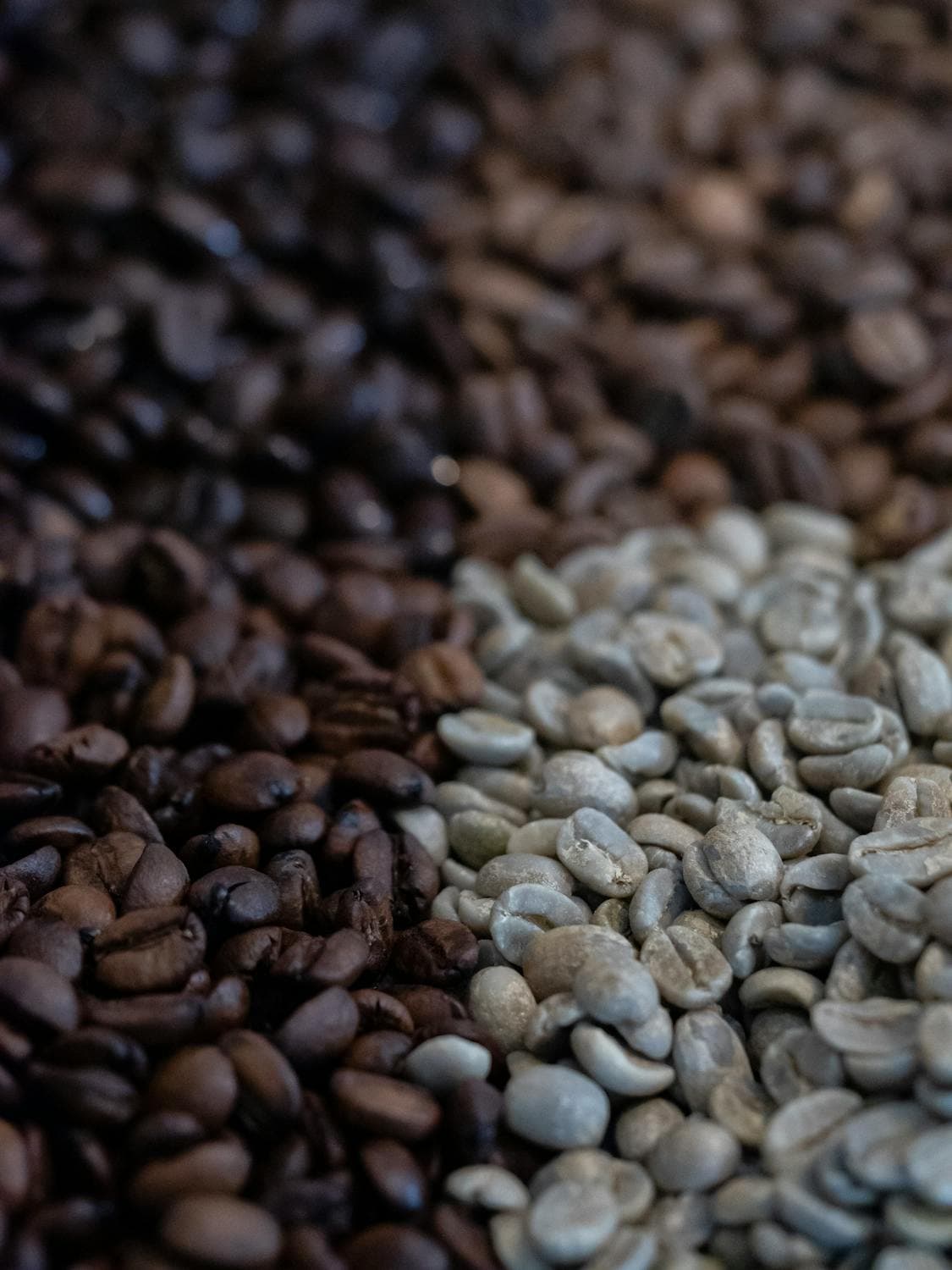
Chlorogenic acid is by far the largest group by volume. In green beans, up to eight percent of dry weight can be chlorogenic acids. It is also the main reason a light roast leaves a stronger acidic impression than a dark roast. During roasting it breaks down. In a dark roast, very little of it is left.
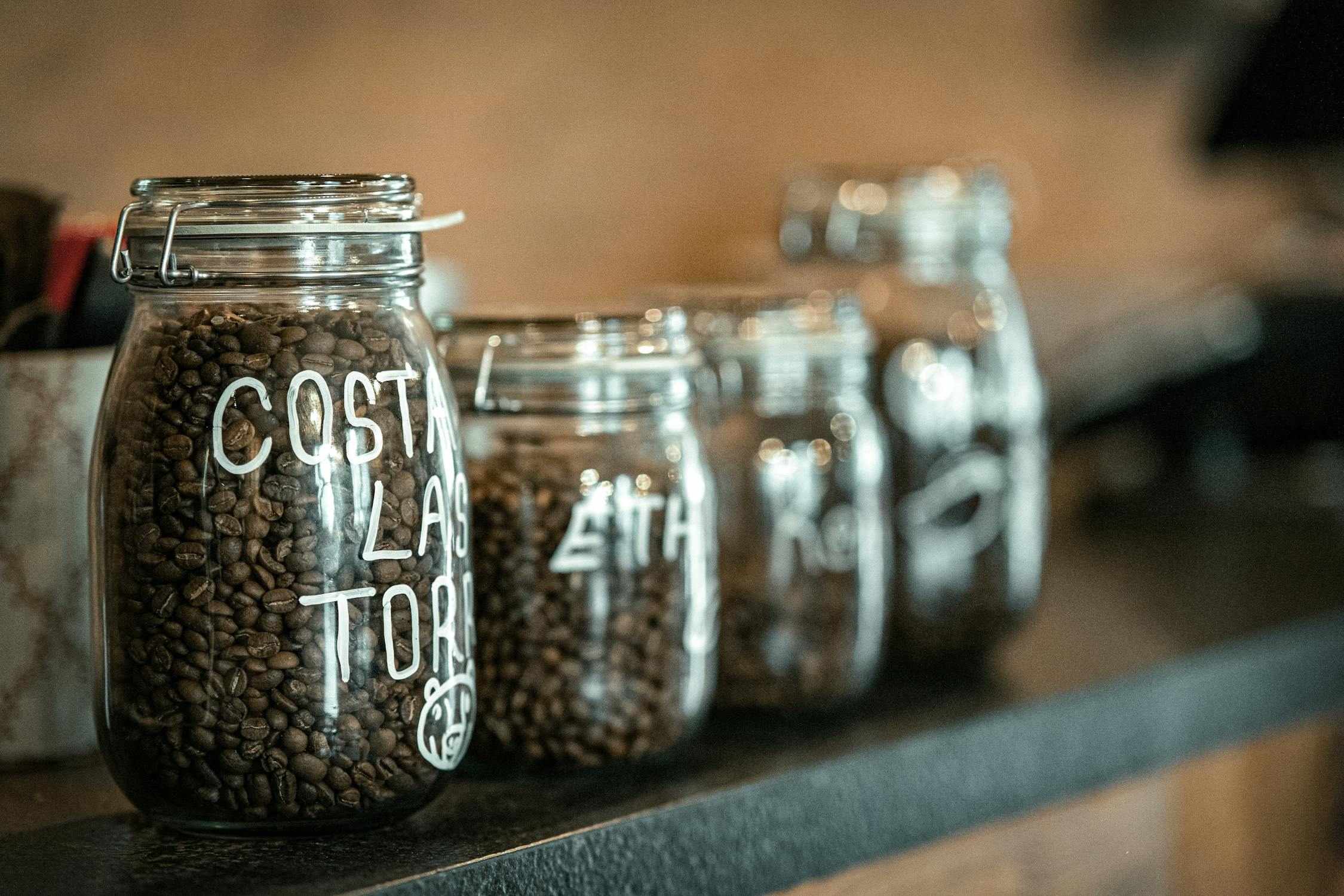
Citric acid and malic acid are responsible for the fruity notes that many people love in an Ethiopian or Kenyan coffee. Malic acid tastes like green apple or stone fruit. Citric acid tastes like citrus. Both also decrease with roast level.
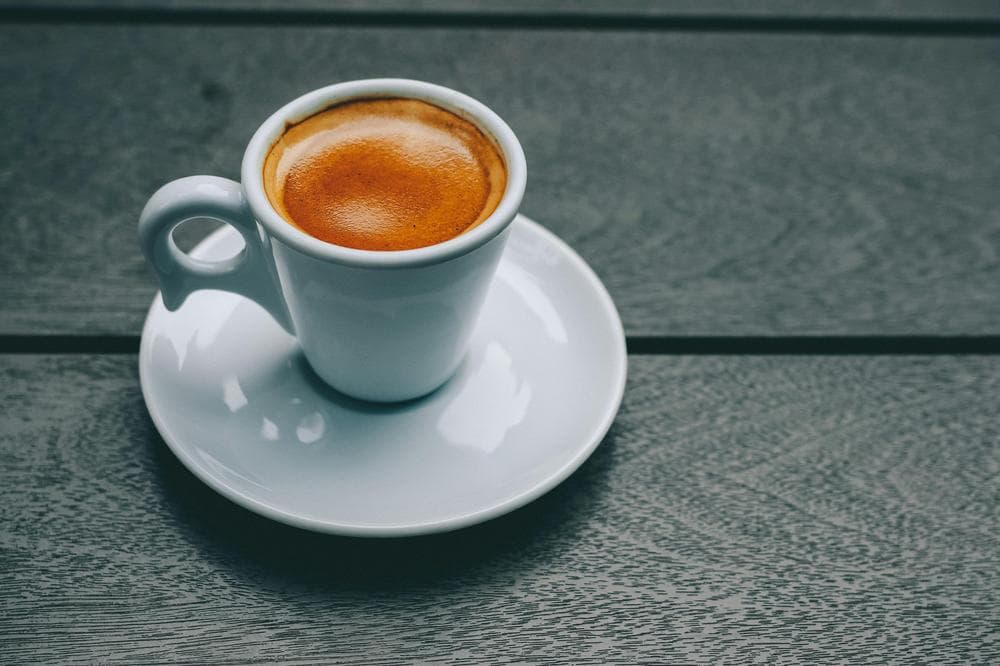
Quinic acid is the special case. It is one of the breakdown products of chlorogenic acid during roasting. So the darker the roast, the more quinic acid. It does not taste bright or fruity, but rather dry and somewhat astringent. When a dark espresso feels bitter and harsh, quinic acid is often part of the picture.
Acidity is not stomach acid
Here is a stubborn myth. Many people believe that coffee with high perceived acidity is automatically harder on the stomach. That is not quite right.
The pH of brewed coffee typically sits between 4.85 and 5.4. That is roughly in the range of beer or bananas, much less acidic than orange juice at around 3.5. And here is the key part. A coffee that tastes bright and fruity is not necessarily chemically more acidic than a dark espresso. Sometimes it is even the other way around. A clean light filter brew can have a higher pH than a dark Italian espresso, because long roasting builds up quinic acid.
What can actually irritate the stomach is a mix of roast compounds, bitter compounds and brewing method. People with sensitive stomachs often do better on light filter coffees, even though they taste sourer. Sounds paradoxical, but chemistry can explain it.
Why altitude and origin matter
Beans from high altitudes grew slowly. They had more time to build up acids and aromas. That is why an Ethiopian coffee from 2000 metres often tastes brighter and more complex than a Brazilian from 800 metres.
Processing matters too. Washed coffees usually keep a clear, bright acidity. Natural processed coffees become fruitier, sometimes wine-like, with a softer acidity. Honey processed coffees sit in between.
How to spot acidity better
Sit down with a cup of light filter coffee and stop trying to take in the drink as a whole. Focus on one single impression instead. How do the sides and the back of your tongue react ? Do you feel a slight pull, a freshness ? Is it apple-clear or grape-soft ? Does the impression change as the coffee cools ? Especially as it drops to 50 to 60 degrees, acidic notes often come through more clearly.
Try two coffees side by side. A light Ethiopian and a medium-roast Honduras for example. The difference suddenly becomes very tangible.
Acidity is not a flaw, it is a tool
A good roaster plays with acidity the way a cook plays with salt. They can highlight it or pull it back, through the choice of bean, the roast curve and the brewing recommendation. In a specialty coffee, acidity belongs to the cup the way freshness belongs to good wine.
If sour coffees have never appealed to you, a second attempt with a high quality, light-roasted filter coffee from Ethiopia or Kenya, brewed cleanly, is worth it. Chances are good you will now taste something other than what you had filed away as acidity.
On Röstpost you find coffees from Swiss roasters with different acidity profiles, from the bright, berry-driven Ethiopian to the spiced, smooth Brazilian. Once you start paying attention to acidity on purpose, your coffee tastes different from then on.