Sustainability
Shade-Grown Coffee: Why Coffee Tastes Better Under Trees

Shade-Grown Coffee: Why Coffee Tastes Better Under Trees
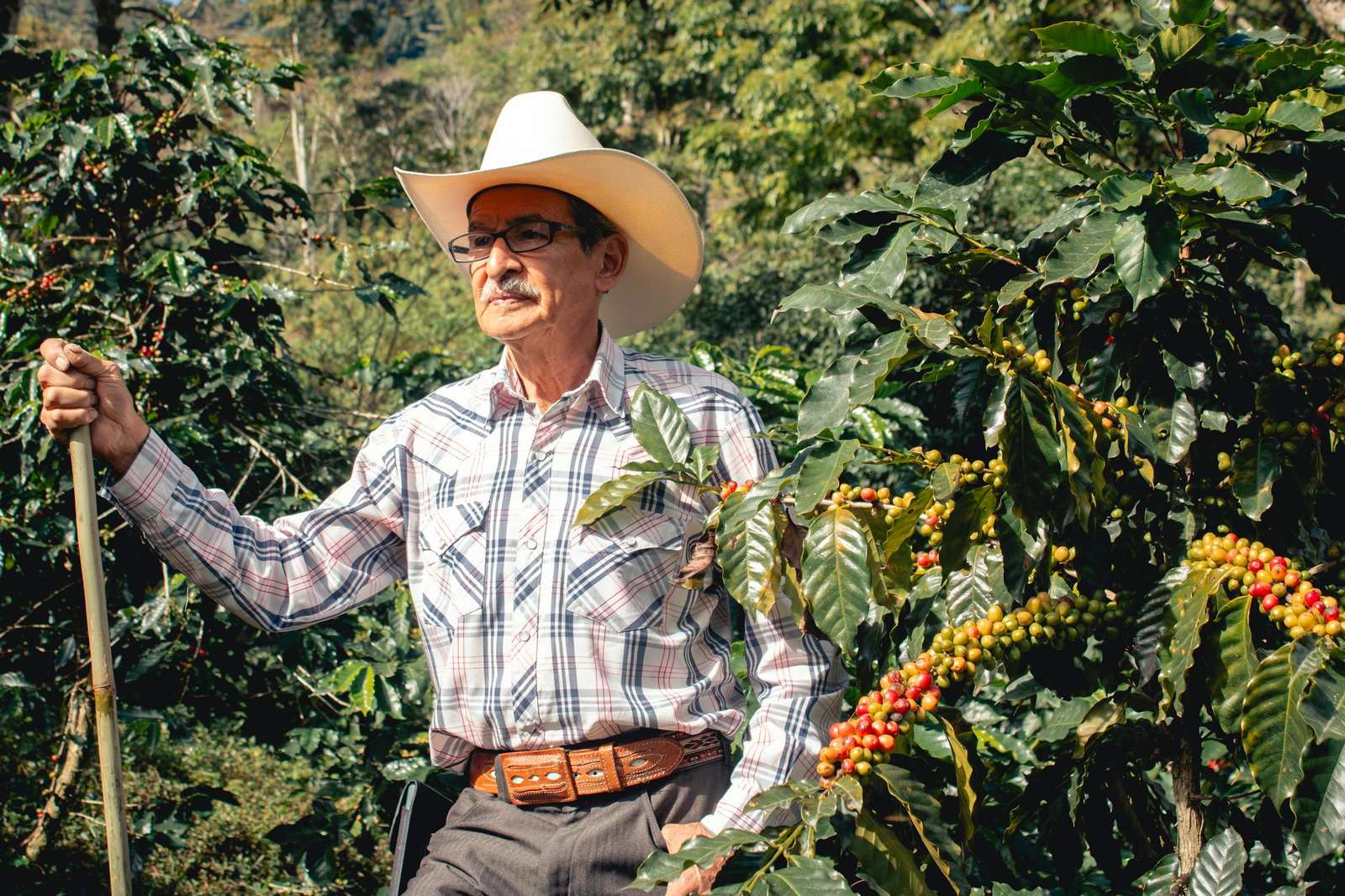
When you picture a coffee farm, you probably picture endless rows of small shrubs under open sky, much like a vineyard. That picture is often correct today, but it is recent. For centuries coffee grew differently. Under a roof of trees, inside a forest, in the shade of banana plants, avocado trees and native hardwoods. This way of farming has a name: shade-grown coffee. And it is one of the most honest ways to produce good specialty coffee.
What shade-grown actually means
Coffee is a forest plant. Coffea Arabica comes from the highland forests of Ethiopia, where it grew in half-shade under taller trees. In flavour and biology it is built for that environment. Shade growing rebuilds it. Above and between the coffee shrubs stand shade trees that filter sunlight, even out temperatures and cover the soil.
The Smithsonian Migratory Bird Center, the research body behind the Bird Friendly certification, defines real shade growing quite clearly. At least 40 percent shade cover over the coffee plants, at least ten different tree species per hectare with at least 60 percent native, and the farm has to be certified organic. That is the strictest standard in the world, and at the same time the most honest.
Why it matters in the cup
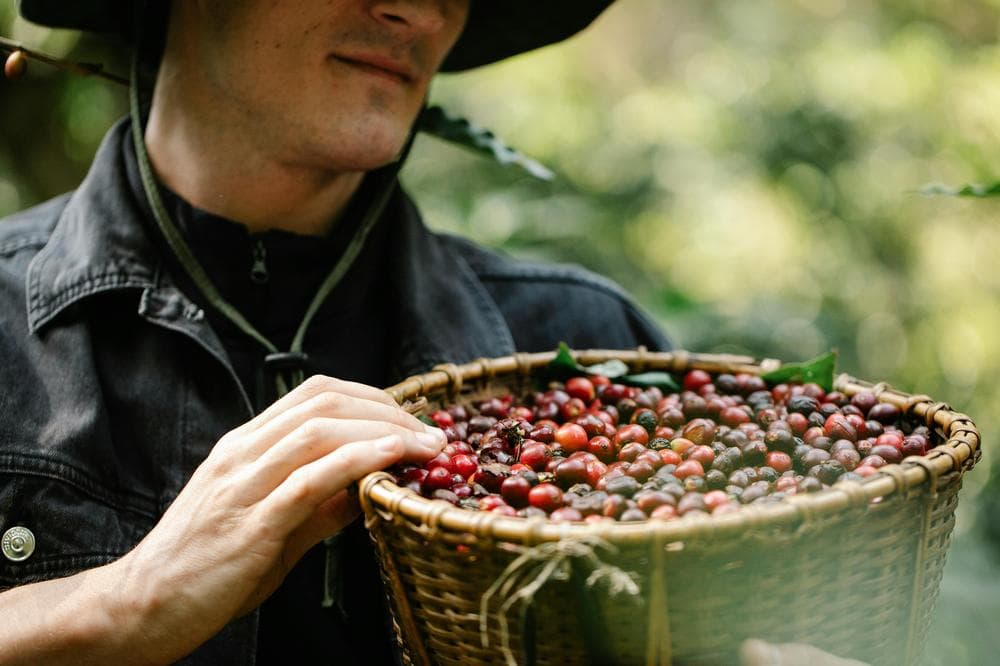
In the shade, the coffee cherry ripens more slowly. Instead of six or seven months it takes eight or nine. That sounds like a patience thing, but it is the key point. A slowly ripening cherry stores more sugar, more acidity, more aromatic compounds. Exactly the substances that build complexity during roasting and brewing.
Sun-grown coffee ripens fast, evenly, productively. But it usually tastes flatter. If you have ever placed a Yirgacheffe from Ethiopia next to an industrial sun coffee from Brazil and tasted both blind, you know what I mean. The difference is altitude, variety and, yes, often also the roof of trees overhead.
Birds, bees, biodiversity
What makes shade growing remarkable is not just the cup. It is what lives around the plant. An intact shade coffee farm hosts more bird species than any other piece of farmland in the tropics. Smithsonian studies count up to 150 different bird species on Bird Friendly certified farms, many of them migratory birds that travel between North and South America.
This is not meant romantically. Since 1972, populations of North American migratory birds have dropped by about 20 percent, a major reason being the loss of their winter habitats in Central America. Exactly where shady coffee farms used to stand, today there are often open sun fields without a single tree. Buying shade coffee means buying back a piece of habitat with every bag.
On top of that come bees, butterflies, insects, mammals, reptiles. A shade farm works ecologically like a slightly thinned forest. A sun farm is a monoculture.
Soil, water, climate
Trees hold water in the soil, protect against erosion and feed nutrients back through leaf litter. A Nicaragua study shows that sun farms on the same slope lose around 2.5 times as much soil as shade farms. In regions with heavy rainfall that is not a side note, it decides whether coffee will still grow there in ten years.
Shade trees store carbon. Locally they cool temperatures by one to two degrees, which buys the plants time in a warming climate. And they often bring additional harvests for the farmer, such as bananas, avocados or nuts, that do not depend on the coffee price. Diversification on the farm means less risk during price shocks.
Why so much sun coffee then?
Because sun growing brings more yield per hectare. Full stop. In the 1970s, programs run partly by USAID pushed Central America towards what is called technified farming. Densely planted, fast-growing varieties without shade. Yields doubled or tripled. Today, estimates suggest that around 75 percent of global coffee is grown without meaningful shade.
The price for that is high. More fertiliser, more pesticides, more water, exhausted soils, less biodiversity. And, as said, often a flatter cup. In specialty coffee circles the wind has turned. More farmers are switching back to shade, often supported by direct trade roasters who balance the longer ripening and lower yield with a fair price.
How to spot shade coffee
The official label is Bird Friendly from the Smithsonian. It is the strictest standard, but rare in Europe. Then there is Rainforest Alliance with similar but slightly looser requirements. And there are direct trade beans without any formal label, where the roastery knows the farm personally and explains the growing method on the bag.
If a bag of specialty coffee mentions shade-grown, sotobosque, bajo sombra, or talks specifically about the shade trees, that is a good sign. If in doubt, ask the roastery. Anyone working with shade likes to talk about it.
At Röstpost
On our marketplace you find beans from Swiss roasters who know their farms. Not every bean comes from certified shade growing, but the story behind every lot is transparent. Read the descriptions, check the altitudes, and you will quickly see which roasteries actually walk into the forest and which just stare at labels. Specialty coffee gets interesting the moment you know what is in the ground. And the more trees standing above it, the better for everyone in the chain. From the plant to the cup.