Sustainability
Cascara: The Forgotten Tea From the Coffee Cherry
Cascara: The Forgotten Tea From the Coffee Cherry
Most people never see a coffee cherry. They see the bean, roasted, in a bag. What happens before that, the fact that this bean used to sit inside a red, almost cherry-like fruit, gets lost in everyday life. And yet the husk of that fruit is one of the most interesting by-products in the whole coffee process. It is called cascara, from the Spanish for husk. Steeped in water, it turns into a sweet, fruity drink that has almost nothing in common with coffee.
What is left of the coffee cherry
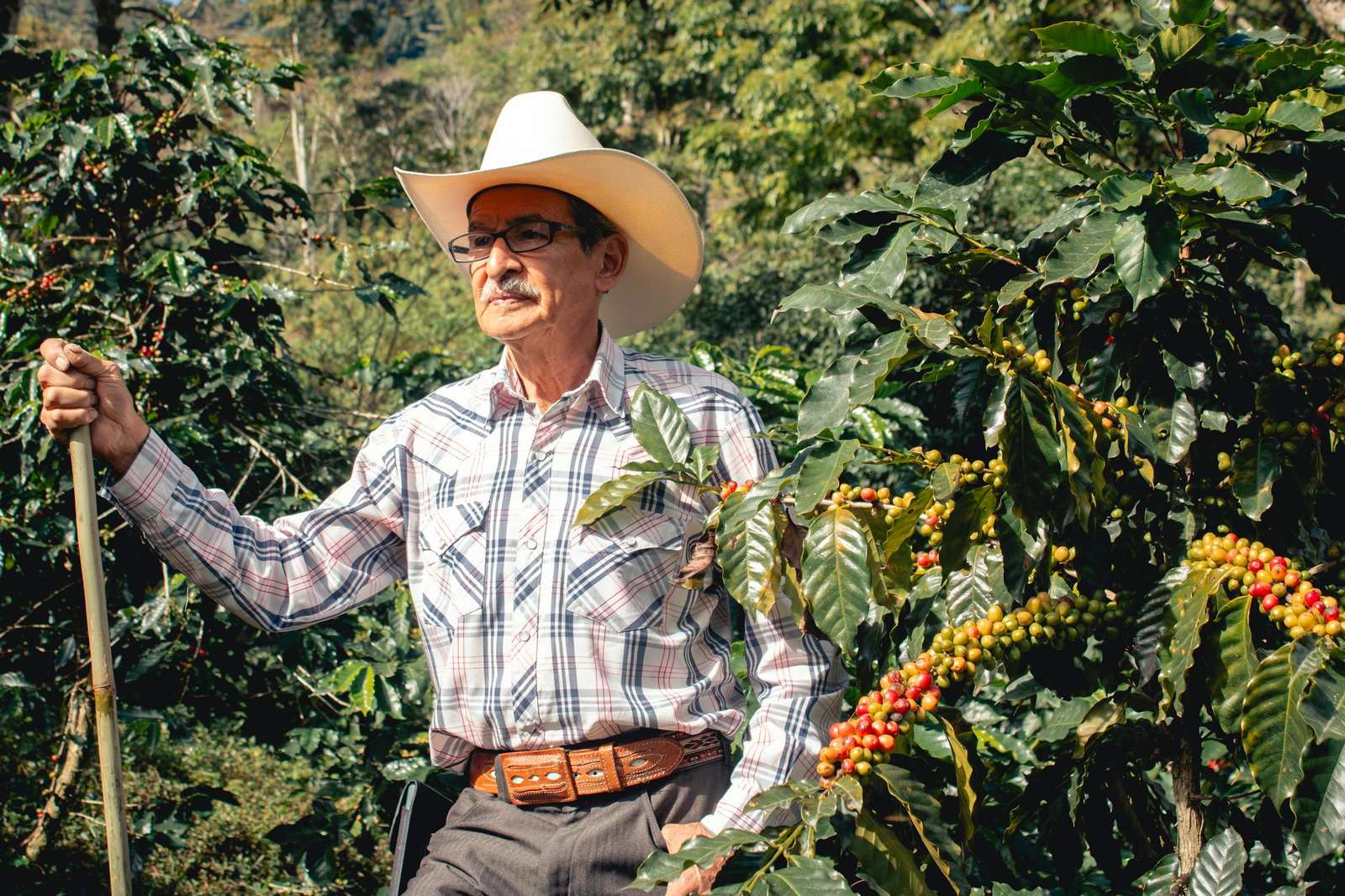
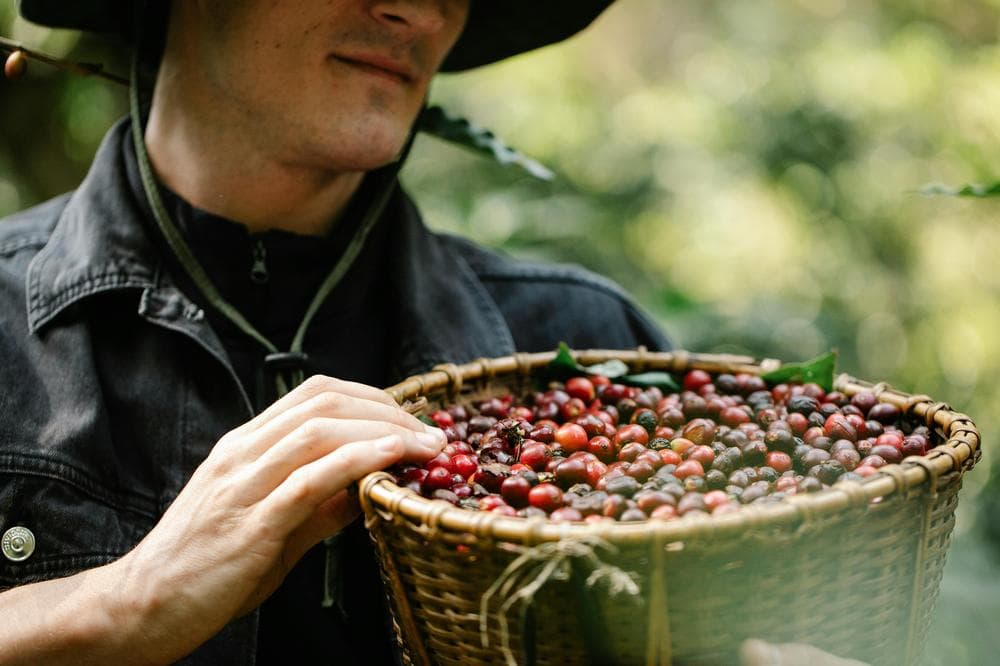
A ripe coffee cherry is round, red, about the size of a raspberry. Inside sit two beans most of the time, surrounded by a sweet layer of pulp and a hard parchment skin. When the cherry is processed, the bean moves on to the next stage. The skin, the pulp and the juice stay behind. Without cascara, all of this lands on the compost pile or, in the worst case, untreated in the nearest stream.
Cascara puts that part to use. The husks are dried carefully, spread out on raised beds in the sun, much like a natural process. The result looks like small dark red raisins or coarse, dried leaves. Both work.
An old story, rediscovered
In Yemen and Ethiopia, an infusion of dried coffee cherry has been brewed for centuries. In Yemen it is called qishr, in Ethiopia the husk has long been used in similar ways. Long before anyone thought of roasting the bean dark, people there were brewing the fruit. The European and North American specialty scene has rediscovered this over the last ten years and turned the by-product into a serious specialty item. In the EU, cascara has been officially approved as a novel food since 2022. Before that, the sale was in a legal grey zone.
How cascara tastes
Anyone who tries cascara for the first time and expects coffee will be surprised. It does not taste like coffee. It tastes of rosehip, hibiscus, dried cherry, sometimes plum or mango, often with a soft sweetness in the finish. The body is thinner than that of a black tea, the impression light and thirst-quenching. Some cascaras lean towards cranberry and red currant, others carry tobacco or tamarind notes. It depends a lot on the variety of the plant and on how the cherry was dried.
How much caffeine is in there
Cascara is not caffeine-free, but it has clearly less caffeine than an espresso. The level is roughly in the range of a black tea. Enough to wake you up, too little to make you nervous. If you want something warm in the late afternoon without losing your sleep, cascara is a good companion.
How to brew cascara
Hot brew. About one heaping tablespoon of cascara, roughly eight grams, per two hundred and forty millilitres of hot water. Water temperature just below boiling, around ninety to ninety-five degrees Celsius. Steep for four minutes, then strain. If you like it stronger, you can steep up to ten minutes. Longer rarely pays off.
Cold brew. About thirty grams of cascara per three hundred and sixty millilitres of cold water, steep for twenty-four hours in the fridge, then strain. The result is silky, sweeter, almost like a light fruit juice. A small revelation in the summer.
Room to play. Cascara takes a splash of lime, a touch of honey or a sprig of fresh mint very well. Not necessary, but anyone who experiments quickly finds their favourite version.
Why it matters for the farmers
On an average farm, the husks make up a substantial share of what remains after processing. If that share can be sold, it means a second income from the same harvest. No extra land, no extra water, no extra care. Just the idea of not wasting the product but refining it.
For many farmers, who already deal with volatile coffee prices, cascara is a welcome cushion. And for the customer in Zurich or Bern, it is an honest way to leave more value in the growing region without having to buy a different product.
Cascara and specialty coffee
With the EU approval in 2022 and a growing number of roasters working directly with farms, cascara has moved from a niche curiosity into the specialty mainstream. Anyone who buys cascara today as a specialty product gets a carefully dried and curated item with a clear origin, not a random by-product.
On Röstpost you find beans from more than two hundred Swiss roasteries. Cascara appears in the range of individual partners, especially where there are direct relationships with the farm. The next time you see a bag, treat yourself to the experiment. You might discover your new favourite drink for a Sunday afternoon.