Brewing
The Moka Pot: Brewing Italy's Classic the Right Way
The Moka Pot: Brewing Italy's Classic the Right Way
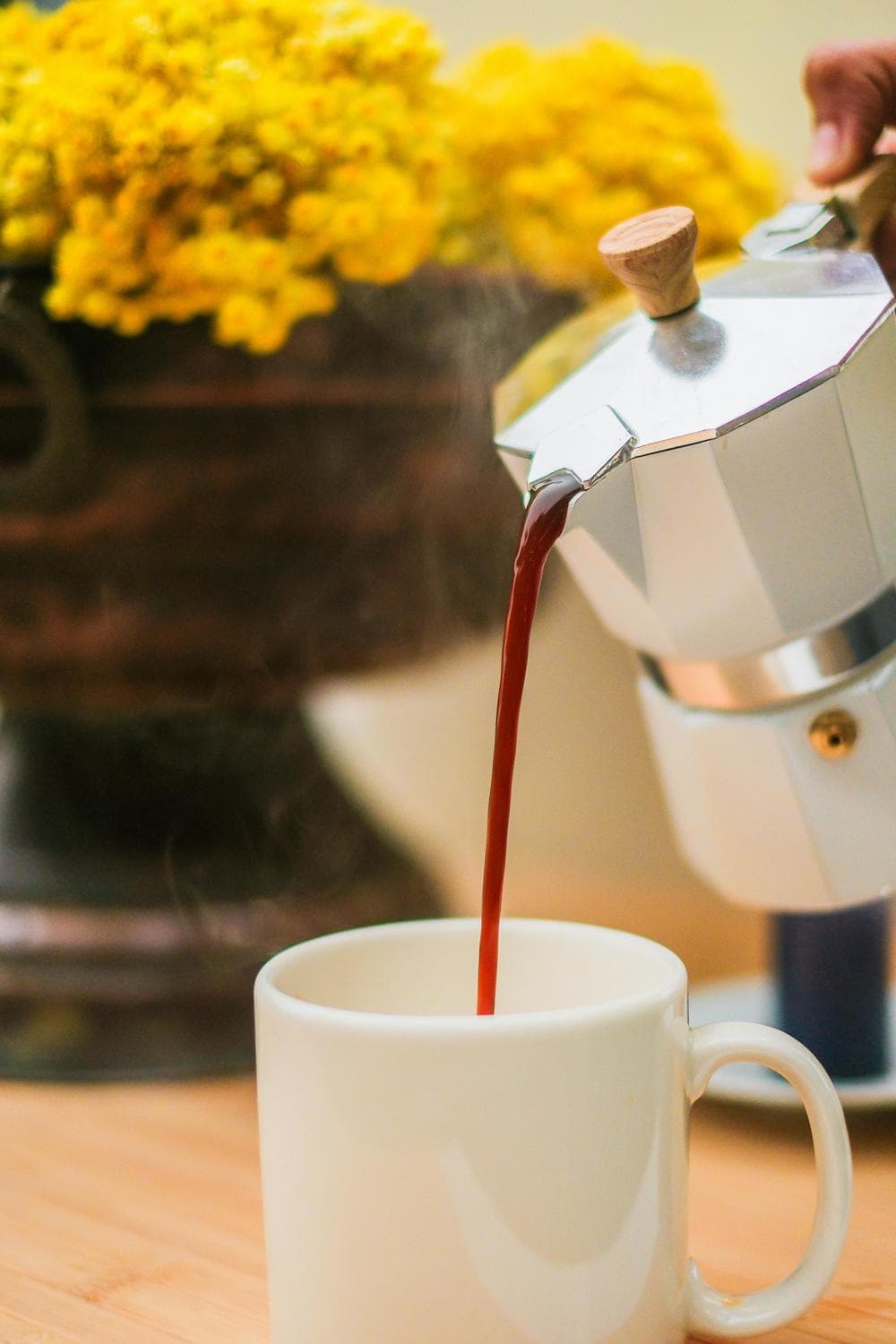
It sits on every other Italian stove. The moka. Octagonal aluminium pot, black bakelite handle, hot coffee hissing its way to the top. A sound that counts as breakfast in Italy. And a device that makes much better coffee than most people think, once you get a few things right.
A Short History
Invented in 1933 by Alfonso Bialetti in Crusinallo (Piedmont), designed by his engineer Luigi de Ponti. Bialetti originally sold aluminium and took inspiration from the laundry kettles of the time, where boiling water was forced upward by pressure. That's exactly the principle inside the moka. For years it was a niche product, until son Renato Bialetti ran a major advertising campaign in the 1950s with the famous mustachioed cartoon character. Today the moka sits in nearly 90 percent of Italian households, and Bialetti has sold more than 500 million units in total.
How It Works
Three chambers. Water at the bottom, the basket with coffee in the middle, the collection chamber on top. You put the pot on the stove. The water heats, steam builds, pressure rises. At around 1.5 bar (for comparison, an espresso machine runs at 9 bar) the steam pushes the hot water up through the funnel, through the coffee bed, and into the upper chamber. The water that travels through the bed sits in practice between 92 and 96 degrees Celsius. Exactly the range the Specialty Coffee Association defines as ideal for extraction.
The Biggest Mistake: Grind Size
The moka is not an espresso machine. If you grind espresso-fine, the basket clogs, pressure builds, and the coffee tastes burnt. You want a medium to medium-fine grind. A touch finer than filter, clearly coarser than espresso. Like table salt, not powdered sugar. When filling, drop the grounds loosely into the basket and only level them off with a finger. Never tamp. Never compress.
Hot Water at the Bottom, Not Cold
This is the second trick most people don't know. If you fill the bottom with cold water, the heat-up takes a long time, and the grounds sit directly over a hotter and hotter metal plate, slowly cooking. The result tastes bitter and metallic. With hot water at the bottom, the coffee rises quickly without the grounds being roasted. Watch out when handling, a cloth is mandatory. Fill the water only up to just below the safety valve, never above.
Keep the Heat Low
Medium to low. The moment the coffee in the upper chamber starts to bubble and hiss, turn the heat down or take the pot off entirely. The loud, foaming finale isn't a success signal, it's overextracted coffee plus steam. Professionals run the pot under cold water at that point to stop extraction immediately.
What the Moka Is Not
It does not make espresso, even if some packaging suggests otherwise. Real espresso needs 9 bar of pressure. The moka makes about 1.5 bar. What it does make is its own category: stronger than filter coffee, less concentrated than espresso, with a warm, full body and no proper crema. Not an espresso substitute, a coffee in its own right.
Which Beans Work?
Medium and lighter roasts work surprisingly well in a moka. A light Ethiopian bean brewed on a moka keeps its fruit but turns denser and sweeter than it would in a filter. Dark Italian roasts work too, that's the classic look, but they tend to bury the character of a good single origin. Try them side by side.
Care
An aluminium moka does not go in the dishwasher and should not be cleaned with detergent. Hot water, rinse, dry. Over time a coffee film forms inside that rounds out the brew. Replace the rubber gasket under the basket every one or two years. It costs a few francs and makes the difference between a sealed pot and a leaky one. Stainless steel versions are more robust and dishwasher-safe, but for many Italians they taste less like moka.
At Röstpost
On our marketplace you'll find coffees from over 200 Swiss roasteries. Many roasters print the recommended grind for each brew method right on the bag. If you like the moka, look for beans with chocolate, caramel or berry notes. They show up especially well in the cup.