Brewing
Macchiato: Espresso Macchiato and Latte Macchiato Explained

What macchiato actually means
Macchiato simply means "stained" or "marked" in Italian. So a caffè macchiato is a "marked coffee". The name comes straight from Italian bars: baristas needed a way to tell the serving staff which espresso was plain and which had received a small splash of milk. The one with milk was "macchiato", marked. Out of that simple distinction grew a drink of its own.
Espresso Macchiato (caffè macchiato)
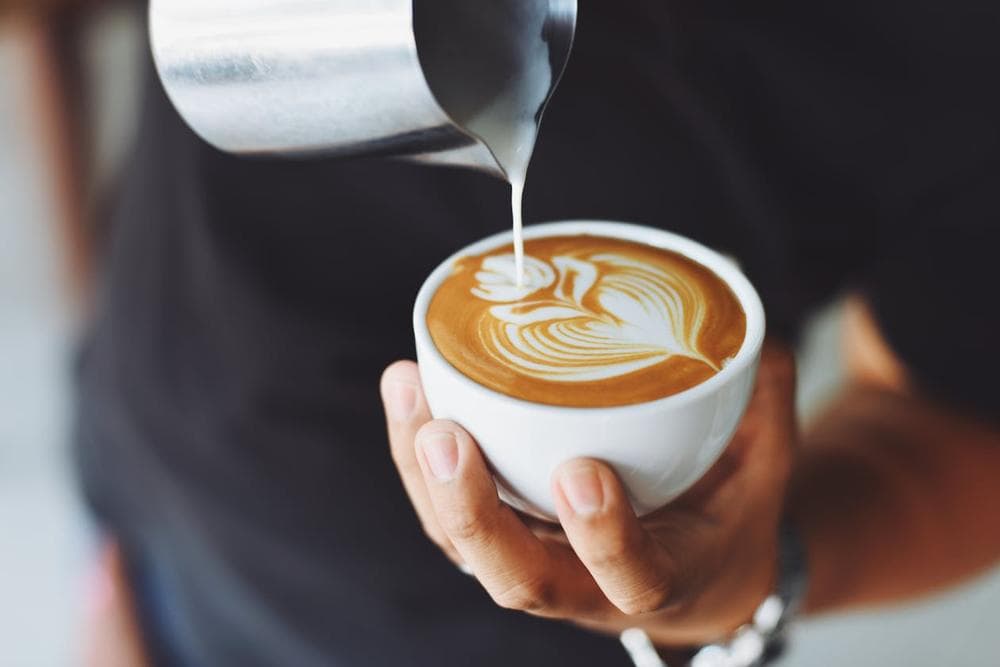
The original. A shot of espresso topped with a small spoonful of foamed milk. Nothing more. Of all the milk drinks, the espresso macchiato has the highest ratio of espresso to milk, roughly two parts espresso to one part milk. The milk takes the sharpest edge off the espresso and adds a hint of sweetness without covering it up. If you like your espresso almost neat, but not quite, this is your drink.
Latte Macchiato
The exact opposite, even though the name sounds similar. Here warm, foamed milk goes into the glass first, then a shot of espresso is poured slowly over the top. Because espresso is denser than the foam on top but lighter than the warm milk below, it settles in the middle. That creates the three layers the glass is famous for: milk at the bottom, coffee in the middle, foam on top. The ratio flips, roughly two parts milk to one part coffee. Milk-forward, mild, creamy.
The difference at a glance
In an espresso macchiato, the milk marks the coffee. In a latte macchiato, the coffee marks the milk. One is a small, intense drink in an espresso cup, the other a tall, gentle one in a glass. The calories are worlds apart too: an espresso macchiato has roughly 10 to 20 calories, while a latte macchiato with far more milk easily reaches 100 to 130.
How to make an espresso macchiato at home
You need a freshly pulled espresso and a small amount of foamed milk. Steam a little milk until you get a fine, glossy foam, then spoon a teaspoon of it onto the centre of the espresso. Done. No latte art required, a small white spot is enough, hence the name. If you prefer, swap the dairy for oat or other plant milk, it works just the same.
Which beans work
Because an espresso macchiato has so little milk, you taste the espresso almost unmasked. Beans with notes of chocolate, nut or caramel sit beautifully alongside that touch of milk. A bold, medium to darker roast carries through well. For a latte macchiato the espresso can be a little more intense, otherwise it disappears behind the milk.
On our marketplace you'll find beans from over 200 Swiss roasteries, many with tasting notes printed right on the bag. For a macchiato, look out for anything that sounds like cocoa, hazelnut or caramel.