Brewing
Kalita Wave: The Japanese Flat-Bottom Dripper That Makes Filter Coffee More Forgiving
Kalita Wave: The Japanese Flat-Bottom Dripper That Makes Filter Coffee More Forgiving
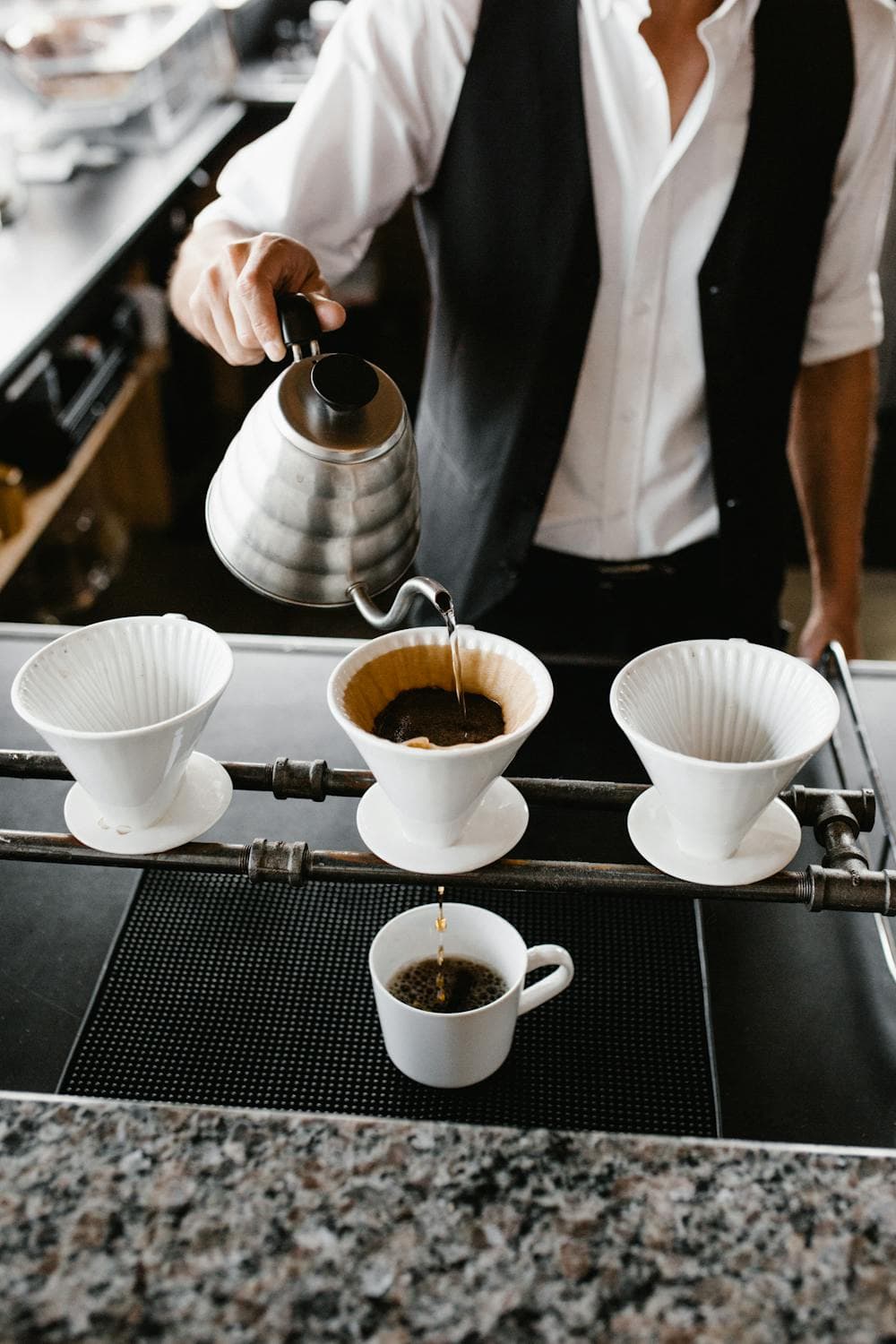
If you walk into a good specialty bar in Zurich, Bern or Lucerne and order a filter coffee, it usually comes from one of two devices. Either a Hario V60 with its conical shape, or a flat dripper with three small holes and a fluted paper filter. The second one is called the Kalita Wave, and it has quietly won over a whole generation of baristas in the last few years.
A filter factory from Tokyo
Kalita is a Japanese family business, founded in 1958 in Nihonbashi, Tokyo. They started with paper filters, hence the name. Today the company sits in Yokohama and produces a whole range of brewing gear, from small drippers to drum roasters. The Wave is their most recognised product.
It went global in 2013 when Erin McCarthy won the US Brewers Cup brewing on a Kalita Wave. Before that it was an insider tip, after that it became standard equipment in many specialty cafés.
What makes the Wave different from a V60
The V60 has a conical body and a single large hole at the bottom. Water flows through fast, and you have to control the flow with your pouring technique. If you can do that, you get incredibly clean, bright cups. If you can't, you quickly end up with something thin or bitter.
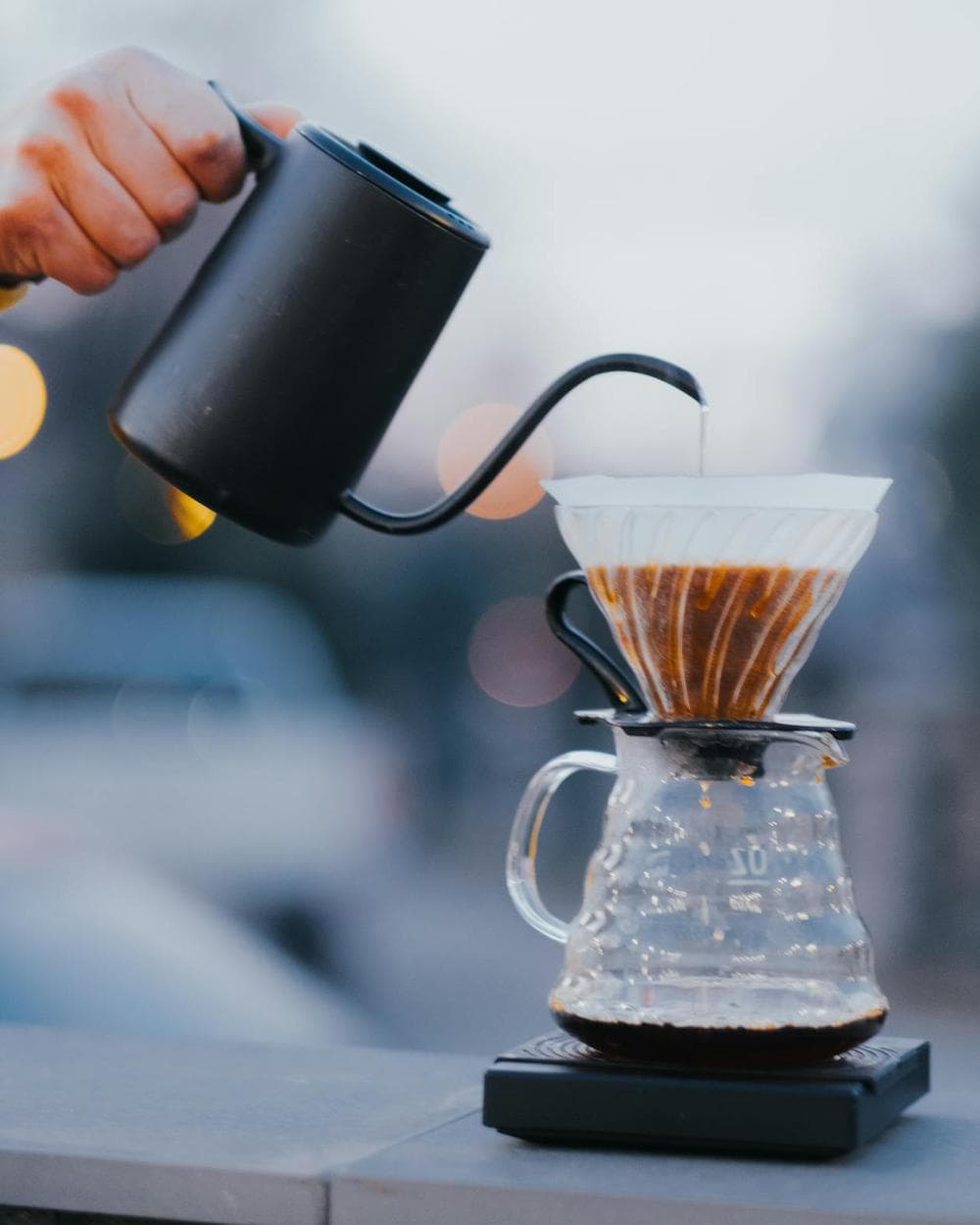
The Kalita Wave makes it easier. It has a flat bottom with three small holes. The water pools on the coffee bed, drains evenly downward and you can be less precious about your pour. On top of that there is the special wave-shaped filter with twenty pleats. The waves keep the filter off the dripper wall, so the water actually flows through the coffee bed instead of bypassing along the side. Result: more even extraction, more sweetness, more body. Less drama than a V60.
Which size
There are two standard sizes. Wave 155 for one to two cups and Wave 185 for two to four. The 185 is the all-rounder. Materials come in stainless steel, glass and ceramic. Stainless steel is sturdy and travel-friendly, ceramic holds heat best, glass looks beautiful but breaks.
A simple recipe
Ratio 1 to 16. So for a big mug, 20 grams of coffee to 320 grams of water. Grind size medium, roughly like coarse sea salt. Water temperature 92 to 94 degrees Celsius. Place the filter, rinse with hot water, dump the water from the carafe. Add the coffee, give the dripper a quick shake so the bed levels.
Bloom: pour 40 grams of water on top, wait 30 to 45 seconds. You see the coffee rise as the CO2 escapes. Then add the rest of the water in two or three slow spiral pours. By 1:15 you should be around 150 grams, by 2:00 around 240, done pouring by 2:45 to 3:00. The whole cup drips through in 3:30 to 4:00 minutes.
If your cup tastes sour, grind a bit finer or use slightly hotter water. If it is bitter, grind coarser or pour faster. Tasting is part of the fun.
Who is it for
If you are rediscovering filter coffee at home and looking for forgiving gear, the Wave is a great place to land. If you have been brewing V60 for a while and sometimes get frustrated because the cup swings depending on the day, the Wave gives you a second option that is more consistent. Both are valid. Many specialty bars run both in parallel and choose based on the bean.
At Röstpost
Light roasts from Ethiopia, Kenya or Colombia shine in the Wave. The floral, fruity side comes through clearly, and the flat bed helps draw a calm, sweet cup. On the Röstpost marketplace you find a fresh selection of filter coffees from Swiss specialty roasters every week, exactly the kind that suit this brewer. Try a few origins, compare what the Wave tastes like next to a Moka pot, and you quickly understand why so many people stuck with filter.