Brewing
Japanese Iced Coffee: Brewing Hot Onto Ice

Japanese Iced Coffee: Brewing Hot Onto Ice
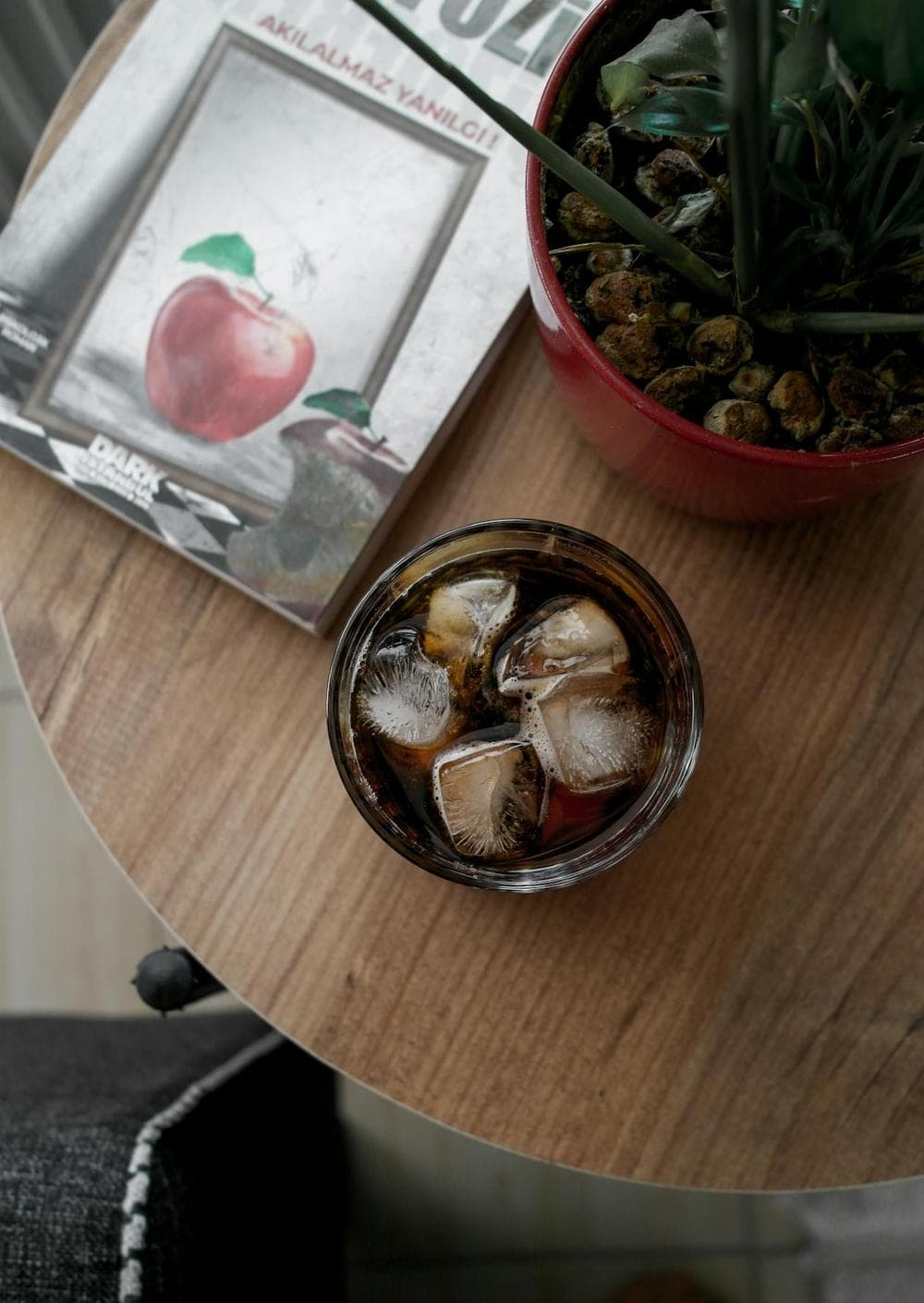
There are two cold worlds in specialty coffee. Cold brew everyone knows by now. Coarse grind, cold water, twelve to twenty-four hours of waiting. Soft, chocolatey, quiet. Next to it sits a second method that is still less known in Switzerland and has belonged to summer in Japan since the 1960s: Japanese iced coffee, often called flash brew. Brewed hot, cooled down on ice in seconds. Sounds simple, is actually the opposite of cold brew. And anyone who has tasted both side by side knows immediately: these are two different drinks.
What flash brew actually is
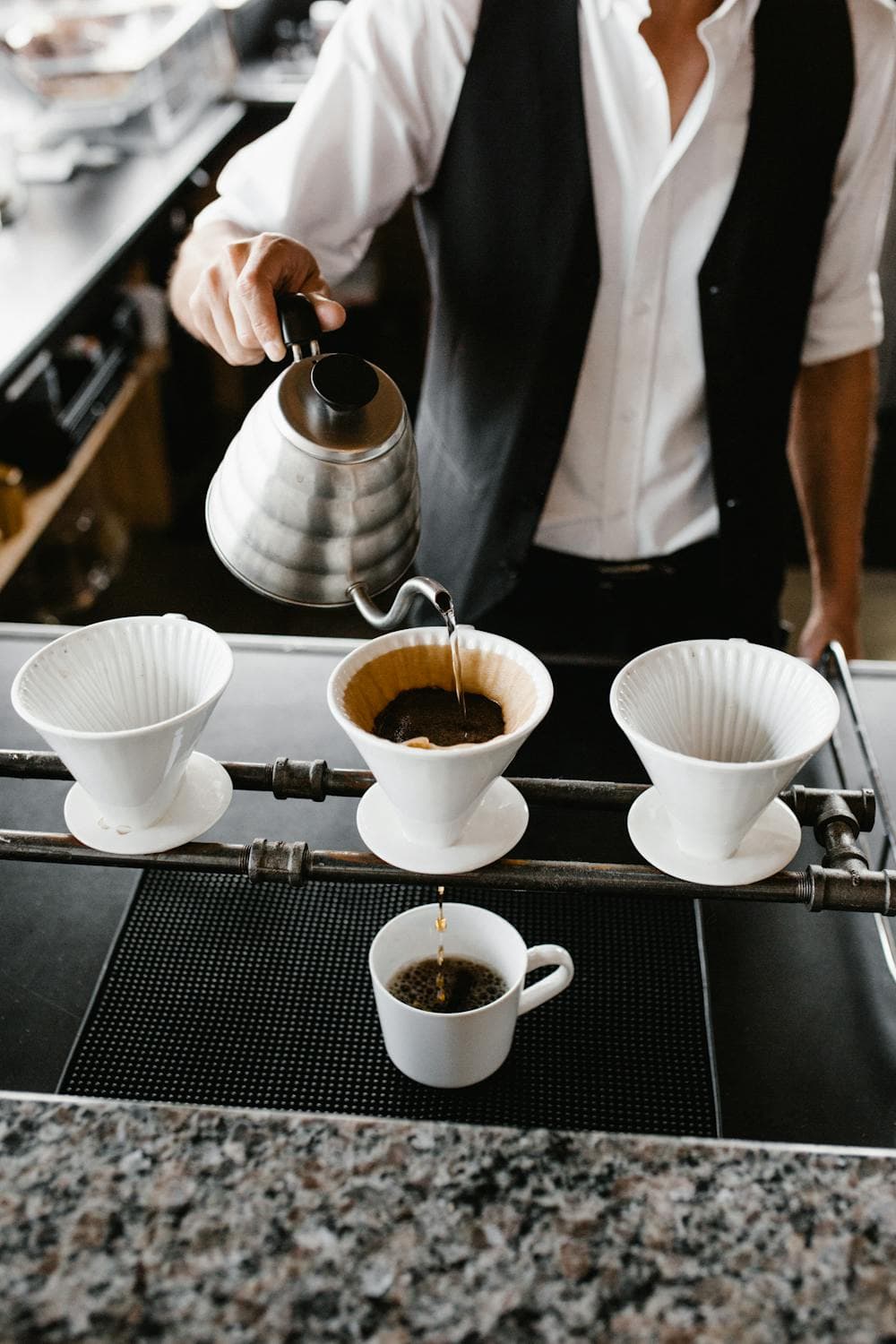
Flash brew takes a normal pour over and replaces part of the water with ice. You brew hot as always, but the ice in the carafe below shocks the coffee in the moment it drips out of the filter. Hot turns cold in seconds. The fine, volatile aromas that would escape with the steam in normal iced coffee stay locked in the glass. No long wait in a warm environment, no oxidation, no flatness in the cup.
That is exactly the difference to diner-style iced coffee. There, hot coffee is brewed, sits around, eventually gets diluted with ice cubes and is served. It usually tastes flat and a bit sour, because the coffee had too much time between brewing and drinking to change. Flash brew shortens that time to zero.
Cold brew versus flash brew
Cold brew steeps for hours in cold water. Without heat, acids and a portion of the bright, fruity aromas barely extract. What stays is a soft, dark profile with cocoa, nut, caramel, tobacco. That works fantastically with darker roasts and Brazilian naturals.
Flash brew, on the other hand, keeps exactly what a hot filter shows: acidity, clarity, floral and fruity peaks. A light Ethiopian bean with bergamot and peach comes through in flash brew as clearly as if you were drinking it hot from the V60. Just cold. If you like specialty coffee from light roasts, this is the place.
The ratio that works
The idea is simple: you take your normal brew ratio, about one to fifteen or one to sixteen, and split the water. A good starting point is two thirds hot water and one third ice, measured by total weight.
For a V60: twenty grams of coffee, one hundred grams of ice in the carafe under the filter, two hundred grams of hot water over the coffee. That is three hundred grams of liquid total on twenty grams of coffee, so one to fifteen. The one hundred grams of ice melt during brewing and become part of the drink. If your coffee is too strong, add a bit more ice next time, around one hundred twenty grams. If it is too watery, drop to eighty grams.
Grind, temperature, time
Grind a touch finer than for your normal pour over. The shorter water volume has to extract the coffee fully in the same time, so you need a bit more surface area. Picture something between a normal V60 and an AeroPress.
Water temperature stays at 92 to 96 degrees Celsius. Brew time targets two and a half to three minutes total. First a bloom with twice the bean weight, around forty grams of water, wait forty-five seconds. Then pour the remaining one hundred sixty grams in calm circles. Let the filter run through, swirl, transfer to a glass with ice. Done.
Which beans pay off
Lightly roasted single origins shine the most here. Ethiopian Yirgacheffe or Sidama with jasmine, citrus, berries. Kenyan beans with their typical blackcurrant. Honey-process coffees from Costa Rica or Honduras with caramel and stone fruit. Naturals with strawberry and tropical fruit. Anything that sparkles in a hot filter sparkles in flash brew too.
Medium-light and medium roasts also work well. If you have a very dark roast, we would lean toward cold brew instead, that is where they shine.
Why it pays off at home too
Cold brew needs hours of advance planning. Flash brew is ready in the same time you would otherwise spend on a hot pour over. You can spontaneously decide that today calls for iced coffee. You need the same equipment you already own: filter holder, filter paper, kettle, scale, grinder. And you get a drink that shows the clarity of specialty coffee, cold, without giving anything up.
If you like experimenting with your beans, you will reach for flash brew more often in summer. Cold brew belongs to winter at home, flash brew is the more honest method for specialty beans in the heat.
At Röstpost
For the light, fruity single origins on our marketplace, flash brew is the idéal summer method. Pick a bean with tasting notes like bergamot, apricot, hibiscus or blackcurrant and try it cold as flash brew. Suddenly you will taste the same bean in a new way.