Coffee Knowledge
Espresso Roast vs Filter Roast: What the Difference Really Means

What it means when the bag says espresso or filter
You are standing in front of two bags from the same roastery. One says espresso, the other says filter. Same origin, almost the same price, and yet two different bags. The obvious question: is this just marketing, or is there a real difference inside? The short answer: there is one, but not the one most people assume. It is not mainly about the bean. It is about how the roaster prepared it for your brewing method.
Two brewing methods, two worlds
Espresso and filter coffee pull flavour out of the coffee in completely different ways. With espresso, the machine forces hot water at around nine bar of pressure through a fine, tightly packed bed of coffee in about 25 to 30 seconds. It is a short, forceful moment. With filter coffee, the water runs slowly and only with gravity through a coarser grind, often for two to four minutes and with slightly cooler water. The same coffee does not taste similar through these two methods, it tastes genuinely different. You can read more about what ends up in the cup in our piece on coffee extraction.
Why the roaster bothers to make a distinction
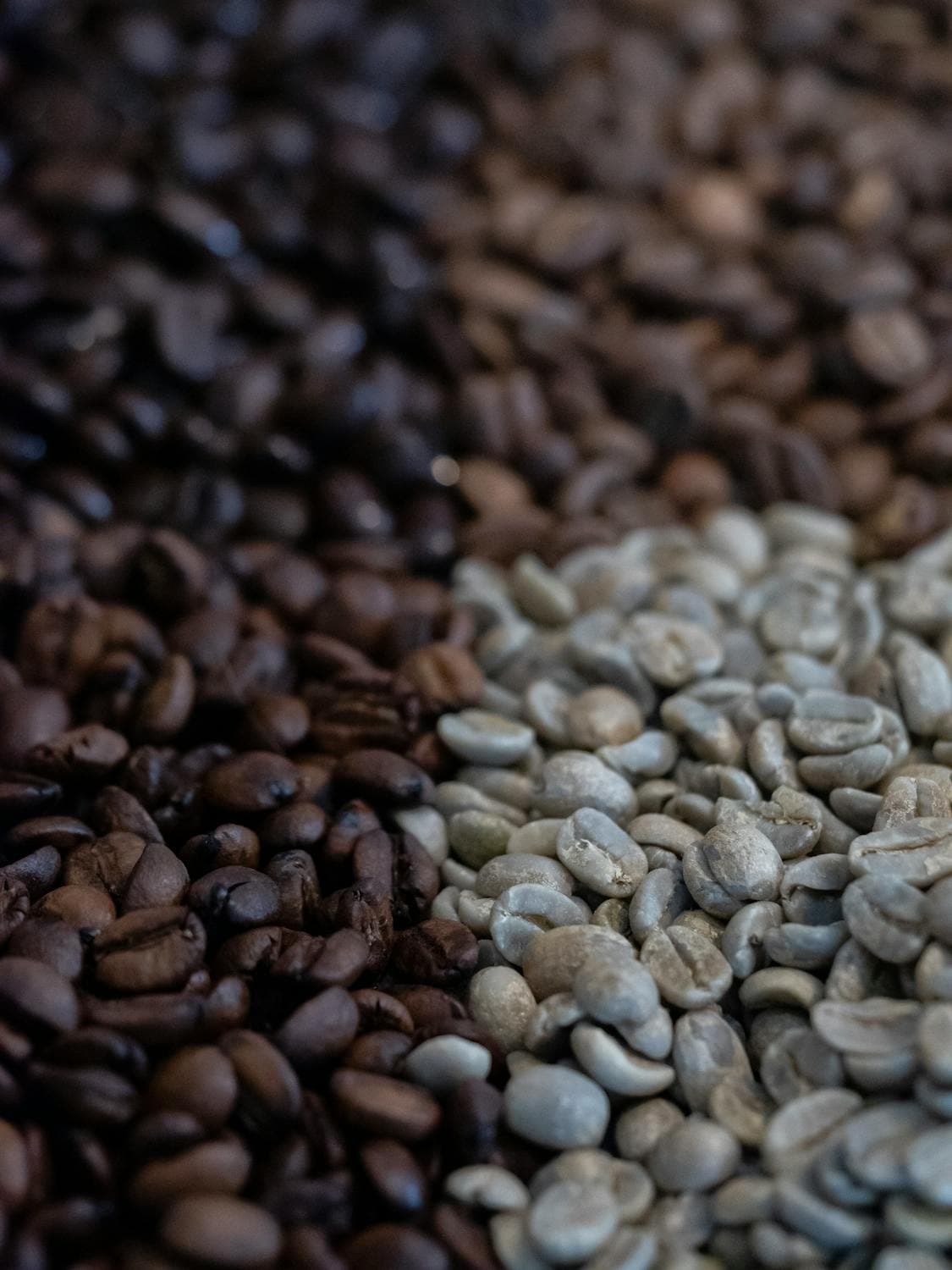
This is where solubility comes in. The longer and further a bean is roasted, the more porous it becomes and the more easily it gives up its flavours. Espresso has only a tiny window to hit a good extraction. So that the coffee does not stay sour and under-extracted in those 25 seconds, it needs to be nicely soluble. With filter, the window is much wider, so the bean can stay lighter and keep its delicate acidity and origin character. The SCA describes ideal extraction for filter coffee as 18 to 22 percent of the soluble material. Below that it gets thin and sour, above it gets bitter. Espresso has to reach that same good window in a fraction of the time, and that is exactly what the roast is adjusted for.
The biggest myth: espresso has to be dark
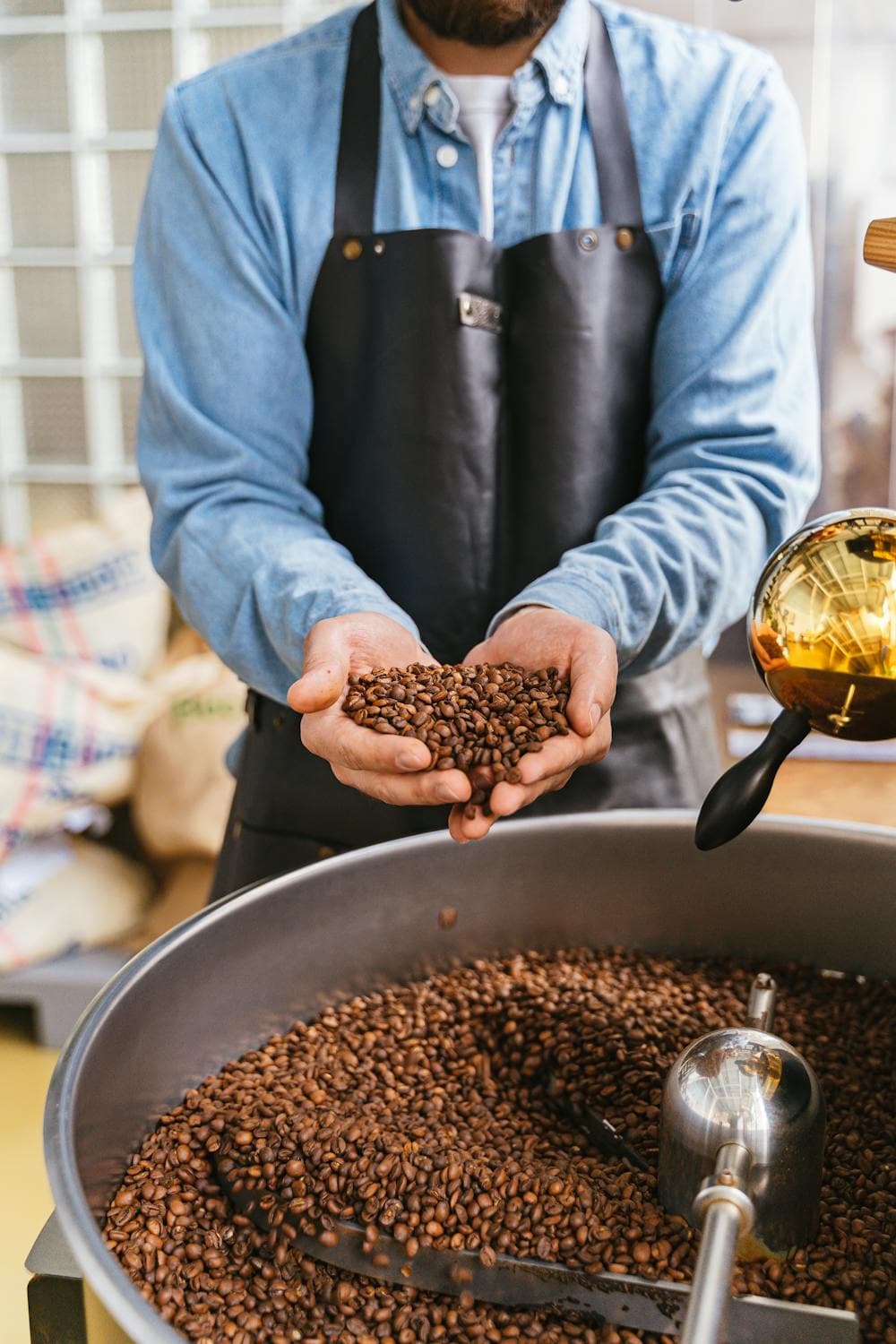
Many people think espresso roast simply means darker. That is the most stubborn myth around the topic. Sure, the classic Italian bar roasts dark, almost black and oily. But modern specialty roasters take a different path. For espresso they often roast not darker, but slower and with a longer development phase. This makes the bean more soluble and more brittle without burning it or losing its origin. A light, fruity espresso is no longer anything exotic today. If you want to know more about roast levels themselves, you will find it in our article on roast levels.
What makes a filter roast different
A filter roast is usually lighter and developed more briefly. The goal is to preserve exactly what makes that one coffee special: the floral notes of an Ethiopian, the berry acidity of a Kenyan, the clarity of a good cup. If you pushed the same light roast through an espresso machine, the pressure would amplify the acidity and the shot could taste sharp and unpleasantly sour. In the filter, that same bean has time to show its sweetness instead.
What happens when you swap them
Now the honest reality, because the world is not that strict. An espresso roast in the filter works surprisingly well. It becomes fuller, more chocolatey and rounder. If you like a strong filter coffee, that might be exactly your thing. The other way around is harder. A pure filter roast pulled as espresso often turns out too sour and edgy, because the method emphasises exactly the acidity that would be lovely in a filter. You can balance a lot with the grind, but there are limits. Nobody gets arrested when the wrong bag lands in the wrong machine. It just does not always taste the way the roaster intended.
Omni roast: one coffee for both
There is a third path, and you see it more and more often: the omni roast. This is a roast that deliberately lands in the middle, soluble enough for the espresso machine and still clear enough for the filter. For small roasteries it is practical, because they do not have to stock two versions. And for you at home it is relaxed, because you can make an espresso in the morning and a filter in the afternoon from the same bag. The catch: an omni roast is a compromise. It is good in both methods, but rarely the absolute maximum in either one. Many roasters like it anyway, because most people at home do not switch methods every day.
What this means for you at home
Three simple thoughts. First: buy for the method you use most often. If 90 percent of your cups come from the espresso machine, get espresso. If you love pour over, get filter. Second: the grind is your biggest lever, bigger than the label on the bag. The same bean ground fine for espresso or coarse for filter is already a huge difference. More on that in our article on grind size. Third: ask the roastery. The people behind the coffee know exactly what they roasted it for, and they are happy to tell you. In the end it is not about rules, it is about the cup in front of you tasting good.
If you feel like trying different espresso and filter roasts from small Swiss roasteries and finding out for yourself which one you prefer: on our marketplace you will find a rotating selection, each described with the brewing method it was made for.