Brewing
Cappuccino, Flat White, Latte Macchiato: What the Real Difference Is
Cappuccino, Flat White, Latte Macchiato: What the Real Difference Is
You are at the counter. The menu lists cappuccino, flat white, latte macchiato, caffè latte. Next to you, people order as if it were obvious. It is not. At first glance the three look damn similar: espresso plus milk. They are still not the same. What separates them is not the bean. It is the cup size, the espresso ratio, the milk texture and the order in which everything goes into the cup.
Cappuccino: the Italian balance
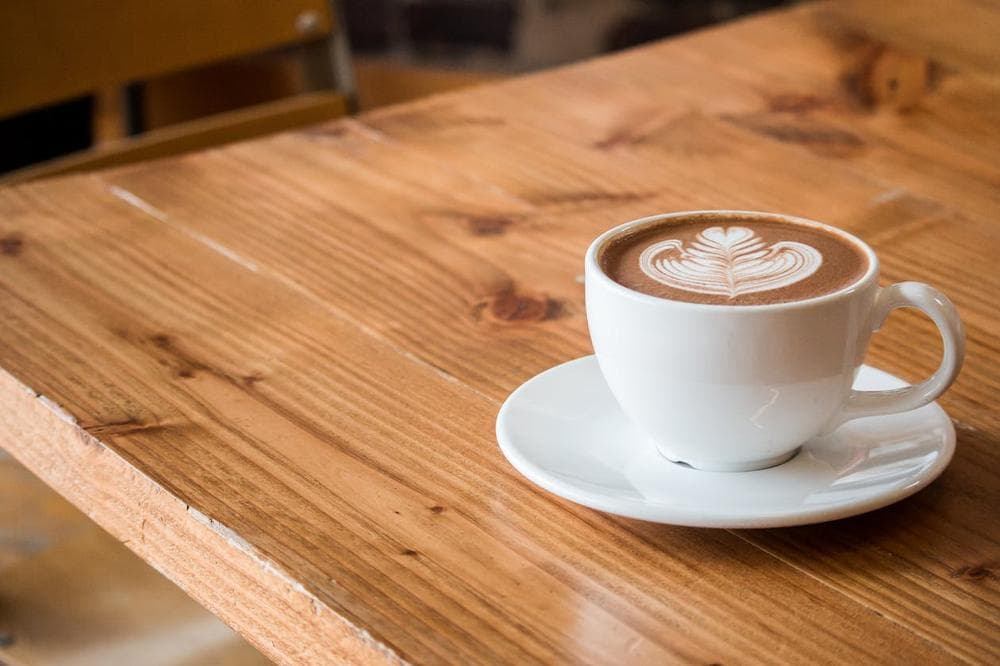
The cappuccino is the classic. The Specialty Coffee Association describes it as a roughly 150 to 180 millilitre drink in which espresso and milk should reach a harmonious balance. Sweet milk meets bittersweet espresso, the two hold each other in check. The classic Italian rule of thumb: one third espresso, one third steamed milk, one third foam. Exactly that foam crown is what makes the cappuccino. It is, compared to the others, the thickest foam layer, at least one centimetre, often more.
The cappuccino comes from Italy and got its name in the early 1900s because its colour resembled the hooded robes of the Capuchin monks. In Italy it is strictly a breakfast drink: nobody orders one after 11 in the morning. Order a cappuccino in a Roman bar in the afternoon and you will get a polite look. Of espresso, usually 25 to 35 millilitres land in the cup, the rest is milk and foam.
Flat White: less foam, more espresso character
The flat white is where it gets interesting. Cup size: similar to the cappuccino, around 150 to 180 millilitres. Espresso amount: often even a touch more, because many bars build the flat white on a double shot. The decisive difference sits in the foam. Where the cappuccino carries a clear foam crown, the flat white has a very thin layer of microfoam, maybe half a centimetre, sometimes less. The microfoam is not sitting on top, it is fully worked into the milk.
The result: the drink is silkier, denser, the espresso stays present in every sip. You taste the bean more. If you want to push a great specialty espresso through milk without losing its acidity, you reach for a flat white. The origin is contested and hotly debated between Australia and New Zealand. The first written records pop up in Sydney in 1983, in Wellington and Auckland in the late 1980s. What is certain: in the 2000s the flat white travelled through London into Europe, and reached Starbucks in the US in 2015. Today it is the worldwide darling of the specialty scene.
Caffè Latte: the milky breakfast
The caffè latte is the big sibling. Cup size: 220 millilitres and up, often 240 to 300. Espresso amount: same as the cappuccino, a single or double shot, but very small relative to the milk. The result is a milder, milkier drink. Microfoam: thin, similar to the flat white, half a centimetre or so, integrated into the milk. The caffè latte is the Swiss breakfast drink par excellence: easy to drink, gentle, without intense espresso punch. If you like coffee but not too intense, this is your spot.
Important: caffè latte is not the same as latte macchiato. If you simply order a "latte" in Italy, you get a glass of milk. Really, a glass of milk. The coffee version is clearly called caffè latte or caffellatte over there, and is traditionally made at home with a moka pot.
Latte Macchiato: the layered glass
The latte macchiato is a different story. Here the order is reversed: the milk goes into the glass first, then the espresso is poured in on top. With a caffè latte or a cappuccino it is the other way around: espresso first, then milk. The name macchiato is Italian for stained or marked. The milk is not mixed through with coffee, it is just stained by the espresso. Served in a tall glass, you can see three clear layers: warm milk at the bottom, espresso in the middle, foam on top.
The espresso amount is often smaller than for a cappuccino, sometimes only half a shot. The latte macchiato is the milkiest of the four drinks and was traditionally prepared in Italy for children, because the espresso share is so small. The microfoam is firm and dense, almost like a cappuccino, because it has to stay as the top layer. If on the first sip you want foam first, then espresso, then milk, this is your drink.
The quick table, in case you forget by tomorrow
Cappuccino: 150 to 180 ml. Single shot espresso. Thick foam, at least one centimetre. Espresso and milk in balance. Italian breakfast classic.
Flat White: 150 to 180 ml. Often double shot espresso. Thin microfoam layer. Espresso stays dominant. Australia and New Zealand, today the worldwide specialty favourite.
Caffè Latte: 220 ml and up. Single or double shot. Thin microfoam layer. Very milky, mild. Swiss breakfast classic.
Latte Macchiato: 220 ml and up, served in a glass. Half shot or single. Layered: milk at the bottom, espresso, foam on top. Firm foam. Strongly milk forward, traditionally for children.
Which espresso fits which drink
This is where it gets fun. Cappuccino and latte macchiato carry stronger, more chocolatey espresso profiles well, because the volume of milk cushions the acidity. A classic Brazilian or Colombian espresso feels at home here. With the flat white it is the other way round: because the milk layer is thin, bright, fruit driven specialty espressos really come into their own. A light Ethiopian with bergamot notes can show what it is really capable of. With the caffè latte the volume of milk is so high that it becomes a question of sweetness: espressos with caramel or nutty profiles carry through the milk best.
If you want to do this at home
With an espresso machine and a milk pitcher you can reach all four drinks. Grind fine, pull a good shot, steam the milk to about 60 degrees and then decide with your pouring movement what it becomes. A wiggling, swinging movement close to the surface produces the latte art pattern of a cappuccino or flat white. For a latte macchiato, pour the milk into a tall glass first, let it settle for a moment, then slowly pour the espresso in so it sets as a clear layer.
The most important piece is the espresso itself. A great bean shows through every one of these drinks, an average bean does not. If you are looking for espresso beans that work well in milk drinks, it is worth scanning Röstpost for espresso roasts from the Swiss specialty scene. Try different profiles and find out which drink and which bean is your combination. Then the question at the counter is no longer what the differences are, but what you feel like drinking today.