Coffee Knowledge
Peaberry: the round bean you keep hearing about
Peaberry: the round bean you keep hearing about
Anyone who spends time in specialty coffee eventually runs into the word peaberry. In Spanish it is called caracolillo, in some places little pearl. It is often sold as something special, sometimes priced higher than the same lot in regular form. So what is actually going on?
What a peaberry is
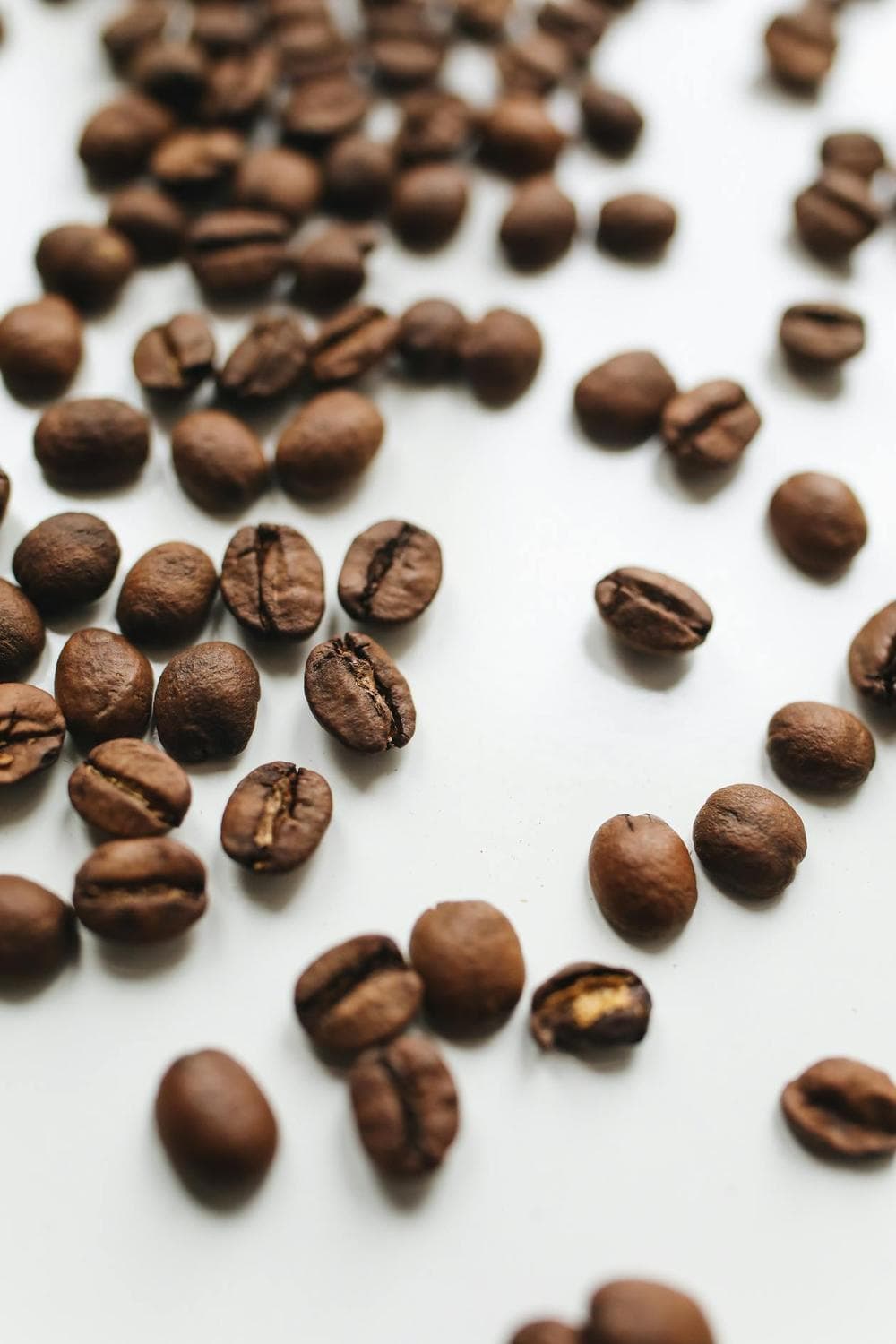
A coffee cherry normally contains two seeds. The two flat sides face each other, which is why an opened cherry usually shows the classic crease of a coffee bean. In a peaberry, only one of the two ovules was fertilised. The single seed suddenly has the whole cherry to itself and grows round. Instead of two flat halves, you get one small, oval bean inside the fruit, almost like a pea.
Estimates vary, but somewhere between three and five percent of a harvest is typical. In some regions the share is a bit higher. So it is not exactly rare, but also not something you find guaranteed on every bag.
Why it gets sorted
After the harvest the beans are run over screens. Peaberries fall through the mesh differently than flat beans because they are smaller and rounder. Some mills also use optical sorters or density tables. Marketing peaberries as their own lot adds a step to processing. That step costs time and money, which is why peaberries on the market are often a bit pricier.
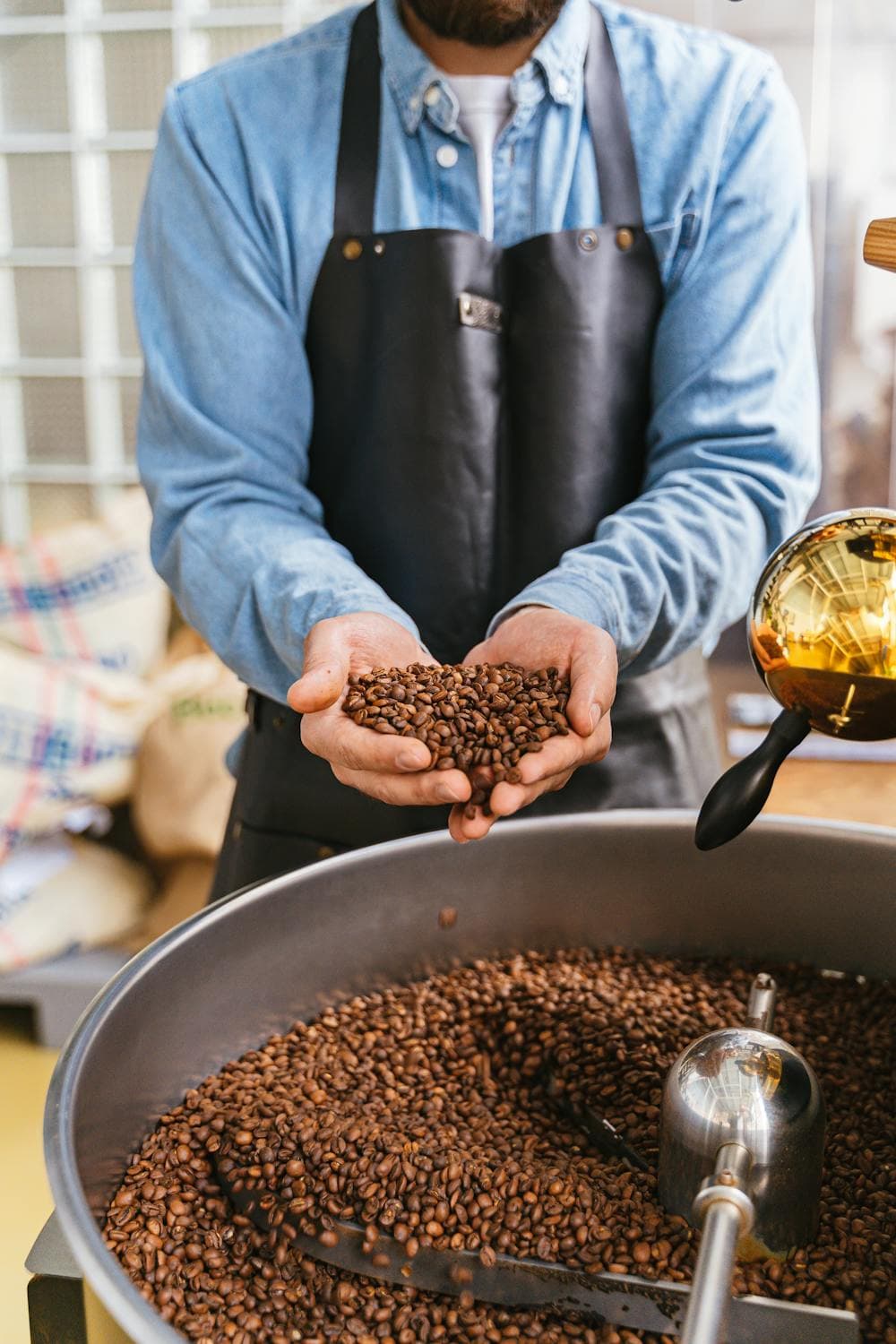
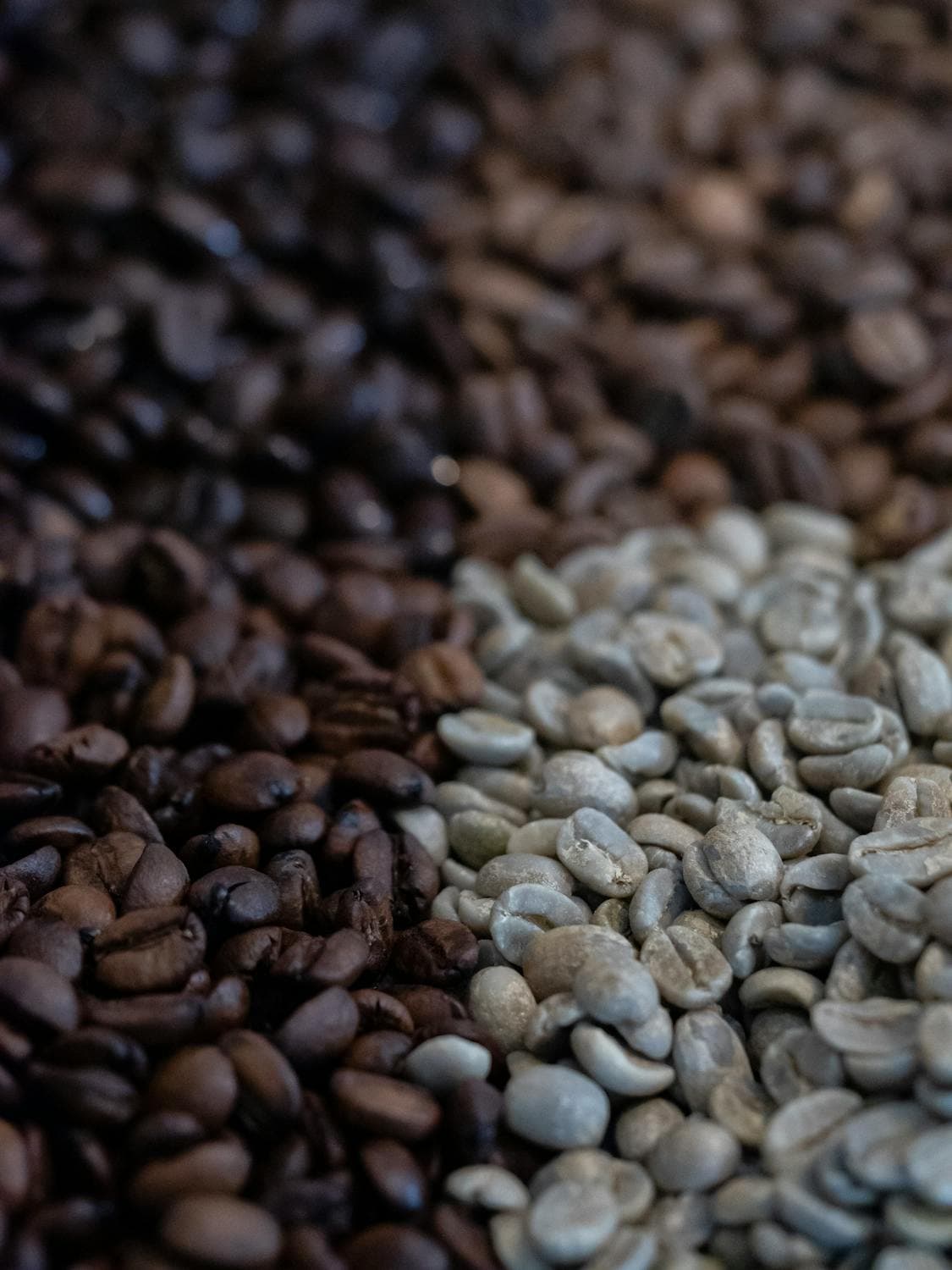
There is a second reason to separate them: they roast differently. A smaller, denser bean takes on heat in a different way than a flat one. If both go into the drum together, the result becomes uneven. Many roasters therefore prefer to roast peaberries on their own, usually a touch more carefully.
Famous peaberry origins
Tanzania is the best known address. Tanzania peaberry has been a category in the coffee trade for decades, with fruity, often berry-leaning profiles from the highlands around Kilimanjaro and from the south of the country. Brazil also produces large volumes, simply because total output there is so big. Kona peaberry from Hawaii is a well-known premium lot, as are peaberries from Kenya and Colombia.
In countries where processing is less industrialised, peaberries usually end up in the regular lot. They are not available everywhere, only where the sorting infrastructure exists.
Does it really taste different?
This is where it gets interesting. In the coffee world you often hear that peaberries are more intense, sweeter, with cleaner acidity. The reasoning: all the cherry's energy flows into one seed instead of two. The bean is also denser, which on paper points to slightly more sugar and acidity.
In practice the picture is more nuanced. Cup tastings show that many peaberries do produce a somewhat more concentrated cup, especially when they are roasted as a single grade. But the differences between farms, processing methods and roasts are often bigger than the difference between peaberry and flat bean from the same lot. Buying a peaberry is rarely about shape alone. It is also about a careful sort and a slightly more exclusive lot.
How to brew one at home
If a peaberry lands on your shelf, it is worth being a little playful at the brewer. Because the bean is denser, it often needs a touch more water and time to release its aromatics. One click coarser than usual, a few seconds more brew time, and you tend to get more out of it. On a V60 or in an AeroPress the profile usually comes through more clearly than in espresso.
Otherwise the same rules apply as with any good coffee: freshly roasted, freshly ground, clean water. A peaberry is not a magic bean, but an interesting one. Anyone who once tries a good Tanzania peaberry blind next to the regular lot tends to hear the difference.
At Röstpost
On the Röstpost marketplace peaberries pop up now and then, depending on what our Swiss roasters are currently curating. If you are curious about the round bean, look out for lots from Tanzania, Kenya or Kona. Ask the roaster if you are not sure. Most are happy to tell you where their peaberries come from.