Coffee Knowledge
Washed, Natural, Honey: How Coffee Is Processed
Washed, Natural, Honey: How Coffee Is Processed
You've read these words on coffee bags before. Washed. Natural. Honey. Anaerobic. But do you really know what they mean? And why it should matter to you?
Processing is one of the most decisive variables in the flavor of your coffee. Not the roast. Not the grinder. But what happens at the farm before the coffee is ever shipped. Here's everything you need to know.
What Is Coffee Processing?
A coffee fruit - also called a coffee cherry - is a small red or yellow fruit. Inside are two seeds: those are the coffee beans. Between the outer skin and the beans are several layers: the fruit pulp, a sticky layer called mucilage, and the parchment skin.
Processing describes how these layers are removed - and how long the beans stay in contact with them. That's exactly what shapes the flavor.
1. Washed (Wet Process)
The washed method is the most widely used process for specialty coffee globally. It's also the most labor-intensive.
First, the outer skin of the cherry is removed mechanically. The remaining bean - still covered in mucilage - then ferments in water tanks for around 24 to 48 hours. This breaks down the mucilage. The beans are then thoroughly washed and dried on raised drying beds in the sun.
Flavor: Clean, bright, clear. The washed method is the most transparent - it lets the bean's terroir speak. Origin, soil, altitude: all of it comes through. You get vibrant fruit notes, lively acidity, floral aromas.
Typical countries: Kenya, Ethiopia (Yirgacheffe), Colombia, Guatemala, Costa Rica.
2. Natural (Dry Process)
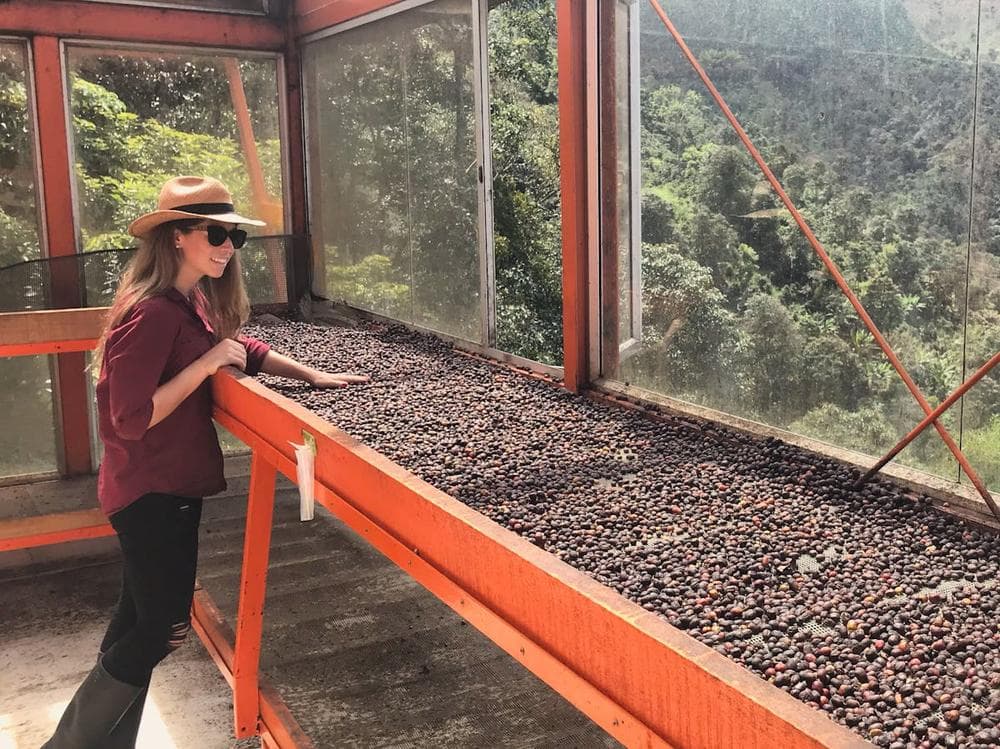
The natural method is the oldest and simplest way to process coffee. The whole coffee cherry is dried in the sun without removing the pulp first - often on raised African drying beds. This process takes three to six weeks. During that time, the beans slowly ferment inside the fruit and absorb sugars and fruit flavors from the skin.
The cherries are turned several times daily for even drying and to prevent mold. Only when the moisture content drops to around 11% are the beans finally hulled.
Flavor: Intensely fruity, sweet, full-bodied. Typical aromas include blüberry, strawberry, raspberry, sometimes spices or wine notes. Natural coffees have more body and less acidity than washed coffees.
Typical countries: Ethiopia (Sidama, Guji), Brazil, Yemen. Often preferred in regions with little water or stable dry seasons.
3. Honey Process
The honey process is a hybrid between washed and natural. Originally developed and refined in Costa Rica, it has since become established worldwide.
The outer skin is removed - as in the washed process. But the sticky mucilage remains on the bean when it's laid out to dry. The result sits exactly between washed and natural in terms of flavor. The name "honey" doesn't refer to honey as an ingredient, but to the honey-like texture of the mucilage during drying.
There are different levels depending on how much mucilage remains:
- Yellow Honey: Little mucilage, short fermentation. Clean and gently sweet.
- Red Honey: Medium mucilage, medium fermentation. Balanced, fruity and sweet.
- Black Honey: Nearly full mucilage, longest fermentation. Intense, complex, winey.
Typical countries: Costa Rica, El Salvador, Guatemala.
4. Anaerobic Fermentation
Anaerobic (oxygen-free fermentation) is the newest and most experimental method. The coffee cherries or already depulped beans are fermented in sealed steel tanks without oxygen, typically for 48 to 72 hours.
Without oxygen, different microorganisms and acids develop compared to open fermentation - including lactic acid and malic acid. The result is an intense, complex coffee with tropical fruit aromas, spice notes, and sometimes a funky character that thrills specialty coffee fans and puzzles traditionalists.
Flavor: Tropical fruits, passion fruit, spices, sometimes fermentation aromas. Very intense and expressive.
Typical countries: Colombia, Panama, Ethiopia - often as premium products from experimentally-minded farms.
Why This Matters for Your Cup
Two coffees, same farm, same variety, same roast - but different processing. They taste completely different. The washed has bright citrus notes and lively acidity. The natural is full-bodied, sweet, berry-like. That's not magic, that's biochemistry.
When you read "Washed", "Natural" or "Honey" on a bag or in a coffee description, you now know: that's not decoration. It's fundamental information about the character of the coffee in your cup.
At Röstpost, Leon selects a coffee each week whose processing method matches the roastery's character and the season. You don't get just any bean - you get a story. Subscribe now and discover the variety of the Swiss coffee scene.