Coffee Knowledge
Why Altitude Makes Coffee Better

Why Altitude Makes Coffee Better
When you look at the packaging of specialty coffee, you'll often see a number: 1,600 masl, 1,800 masl, sometimes even above 2,000. That's not marketing. The altitude where coffee grows is one of the most important factors for its flavor. And there's a simple reason for it.
Cold Creates Flavor
At high altitudes, it's cooler. Nighttime temperatures drop significantly. For the coffee plant, this means slower growth. The cherries take longer to ripen. And that's exactly the point. Slow growth gives the bean time to develop complex sugars and acids. More time on the tree means more flavor in the cup.
At lower elevations, the plant grows faster. The beans ripen quickly, but they develop fewer of those delicate aromas. The result is often a flatter, less complex coffee.
Hard and Dense: Strictly Hard Bean
The cold has another effect. Beans from high altitudes are denser and harder. In the industry, this is called "Strictly Hard Bean" (SHB), and it applies from about 1,350 meters upward. This dense structure means more flavor compounds are locked inside the bean. During roasting, they react differently than soft, porous beans from lower elevations. The result: a cleaner, more defined flavor profile.
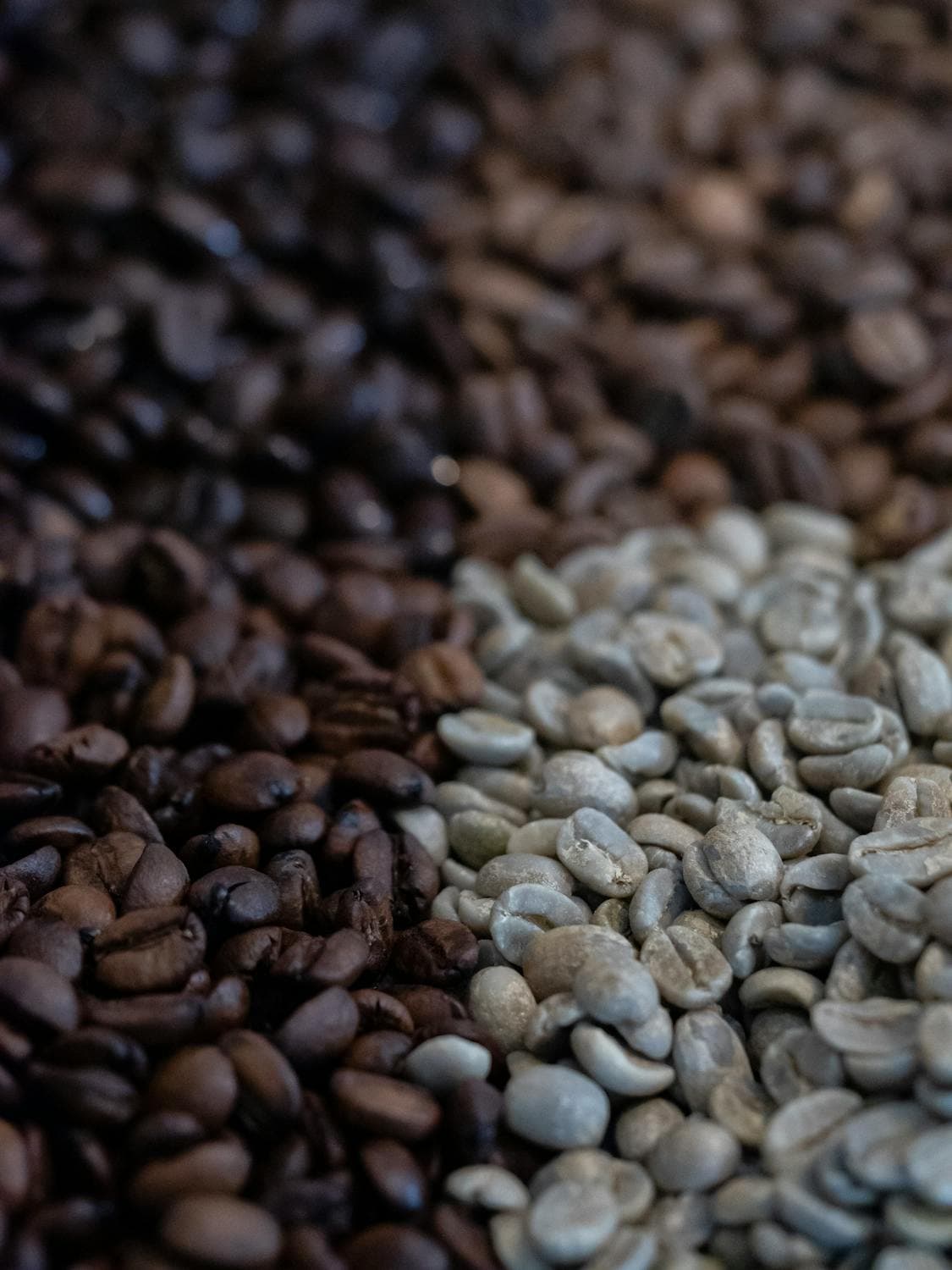
A simple test: look at the bean. The groove in the center (the so-called center cut) is often closed on high-quality highland beans. On lowland beans, it's frequently open.
What Do You Taste at Each Altitude?
The flavor differences are real and measurable. As a rough guide:
Below 900 meters, mostly Robusta grows. The taste is earthy, nutty, low acidity. Between 900 and 1,200 meters, Arabica is grown, but the flavors remain rather mild: chocolate, nut, little fruit. From 1,200 meters, things get interesting. Citrus, caramel, first floral notes appear. From 1,500 meters, berries, tropical fruits, and blossom aromas join in. And above 1,800 meters, you'll find the most complex coffees: layered, with bright acidity, floral and fruity notes that unfold over multiple cups.
Of course, altitude isn't the only factor. Soil, climate, variety, and processing also play a major role. But altitude lays the foundation.
The Science Behind It
Studies show that fatty acid content in the bean increases with rising altitude, while alkaloids and chlorogenic acids decrease. This changes the aroma profile: fewer bitter, nutty notes, replaced by more sweetness and caramel. The Specialty Coffee Association (SCA) uses altitude as one of several criteria to classify coffee quality and origin.
Altitude Alone Isn't Enough
A coffee from 2,000 meters isn't automatically better than one from 1,400. What matters is the interplay. A carefully processed coffee from moderate altitude can easily beat a poorly handled highland coffee. Roasting also makes a difference: dense highland beans often need slightly more energy during roasting to unlock their full potential.
What altitude does guarantee: raw material with more potential. And that's exactly what we look for at Röstpost. Our partner roasteries in Switzerland deliberately choose beans from high-altitude regions because they know that's where the foundation for extraordinary coffee lies.
What to Look For
Next time you buy coffee, check the altitude information. Anything above 1,200 meters is a good sign. Above 1,500 meters, it gets really exciting. And if you want to compare different altitudes directly, you'll find a selection of Swiss roasteries offering exactly these coffees on our marketplace.