Coffee Knowledge
Coffee Degassing: Why Fresh Roast Doesn't Mean Drink Now
Coffee Degassing: Why Fresh Roast Doesn't Mean Drink Now
You have a bag of freshly roasted specialty coffee at home. Day one, you brew right away. The espresso punches through the crema, thin and sour. The filter coffee tastes flat, watery, a little grassy. What is going wrong ? Nothing. You opened it too early. The coffee is still breathing.
What happens during the roast
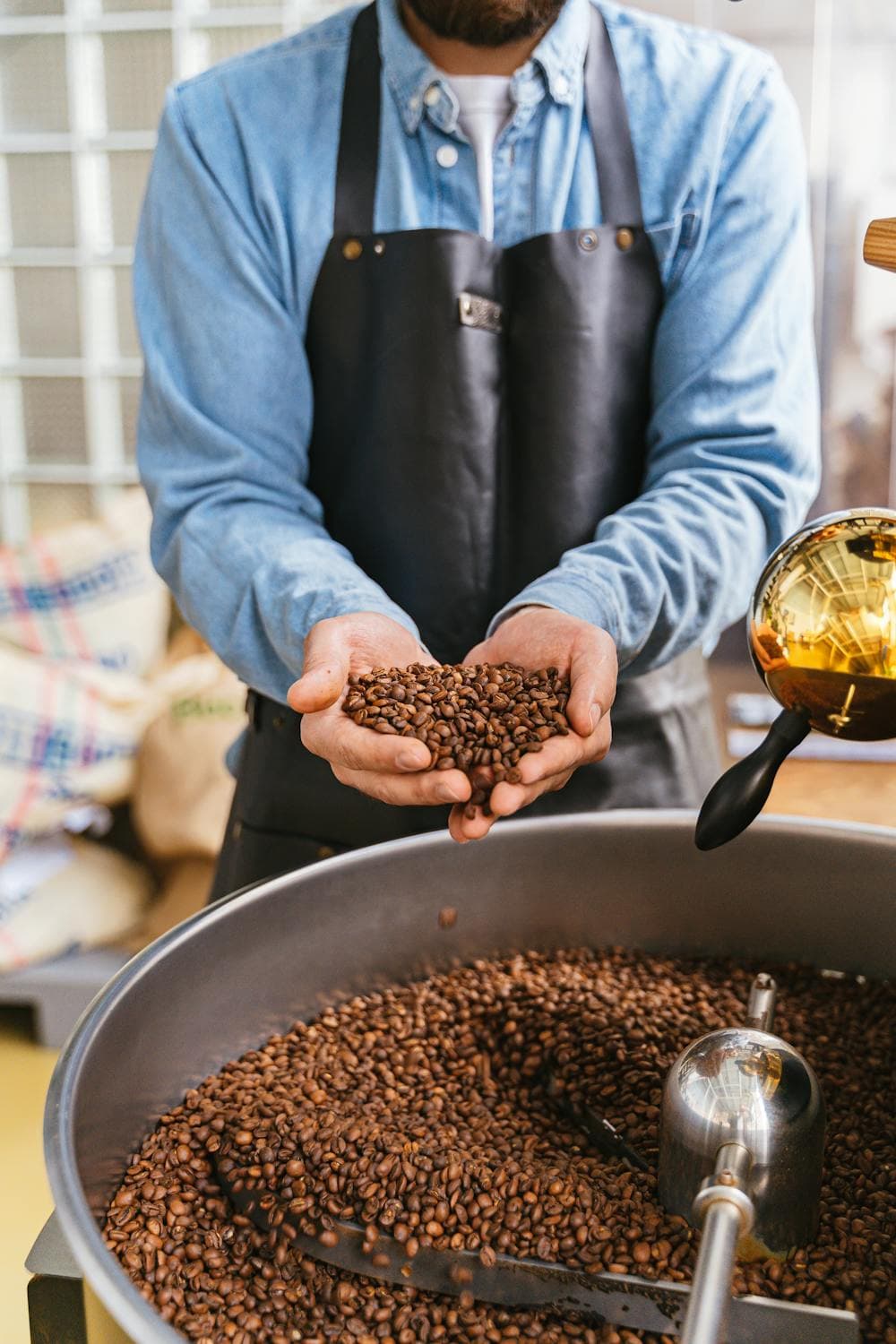
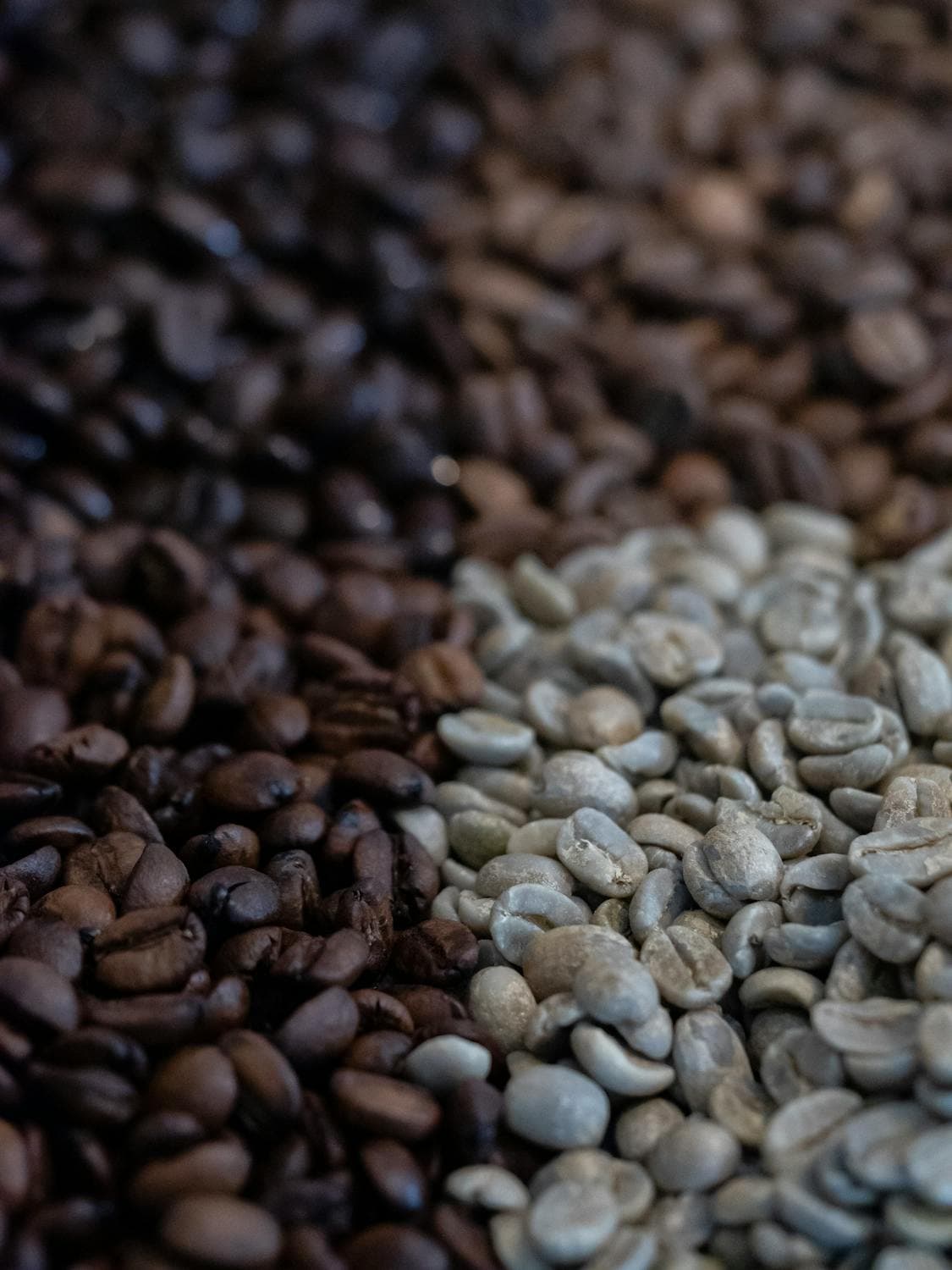
During roasting, the Maillard reaction runs inside the bean, alongside a few hundred other chemical processes. One of the end products is carbon dioxide. The bean expands during the roast, cell walls become brittle, and CO2 gets trapped in the porous core. A freshly roasted bean is literally under pressure.
As soon as the coffee cools, the gas starts to leave again. Slowly, over days. We call this degassing. The first 24 hours are dramatic: roughly 40 percent of the CO2 escapes during that time. The rest takes weeks.
Why this matters
CO2 itself is not the problem. The problem is that it sits in the way of everything. During brewing it pushes water out of the path that should be dissolving aromas from the bean. You extract less, less evenly, and the coffee feels thin and sour.
Espresso shows it most clearly. Pressure meets pressure. The pump forces water through the puck, while CO2 pushes back. The result: uneven extraction, channeling, a foamy crema that collapses quickly. The SCA has documented this behaviour in several studies.
How long to wait
There is no single number that fits everything. But there are clear ranges that have settled in the specialty scene over the last years.
Light roast. Seven to fourteen days. Light roasts are denser and less porous, gas leaves more slowly. A light Ethiopian bean brewed on day three tastes mostly of acid and not much else.
Medium roast. Five to ten days. The comfortable middle ground. Most filter coffees show their best form between day seven and day fourteen.
Dark roast. Two to seven days. Dark beans are more brittle and degas faster. After two or three days they are usually ready.
Espresso. Plan ten to fourteen days, often longer. The pressure of the machine is so unforgiving that even a trace of leftover gas tips the cup.
The valve on the bag
The little round bump on every decent specialty bag is not a design detail. It is a one-way valve. It lets CO2 out without letting oxygen in. Oxygen is the actual enemy, because it oxidises the aromatic oils and turns the coffee stale over time.
Without that valve, the fresh coffee business would be impossible. A bean would go straight from the roaster into an airtight bag, the CO2 would build up, and the bag would balloon or burst. With a valve the gas leaves, the coffee stays in its own sheltered atmosphere.
How to tell when your coffee is ready
Brew it. Taste. If the espresso erupts wildly through the crema, throws large bubbles, and the crema collapses within twenty seconds, the bean is too young. If the filter coffee blooms so much during the pour that the coffee bed almost climbs out of the filter, that is also a sign of plenty of leftover gas.
Run a trial. Brew on day five, day eight, day twelve. You will taste the change. Sweetness arrives, body fills out, acidity rounds off. At some point you find the window where the coffee is most open and most balanced.
How to store it in the meantime
Keep the bag closed, cool, dark, dry. Not in the fridge, condensation forms there. Not in the freezer, unless you portion and open it exactly once after thawing. A drawer or cabinet is enough.
Once the bag is open, the clock starts again. Oxygen gets in, aromas lose intensity each week. Three to four weeks after opening, beans are still drinkable but no longer at their best.
What we keep in mind at Röstpost
We ship beans that are freshly roasted but not too fresh. The roasteries plan their roasts so the bean lands in your mailbox at the moment it is ready to brew. And the roast date is on every bag, so you can decide for yourself when to open it.
On Röstpost you find beans from more than two hundred Swiss roasteries. What we do not do: ship old stock. What you can do yourself: run two bags in parallel, open one right away, wait a week with the other. Then you taste the difference.