Coffee Knowledge
Why Freshly Roasted Coffee Changes Everything
Why Freshly Roasted Coffee Changes Everything
A coffee from the supermarket shelf has probably spent 6, 12, or even 24 months in a plastic bag. A freshly roasted coffee from a micro-roastery was roasted this week. That's not just a difference - it's a different world.
The Roasting Process
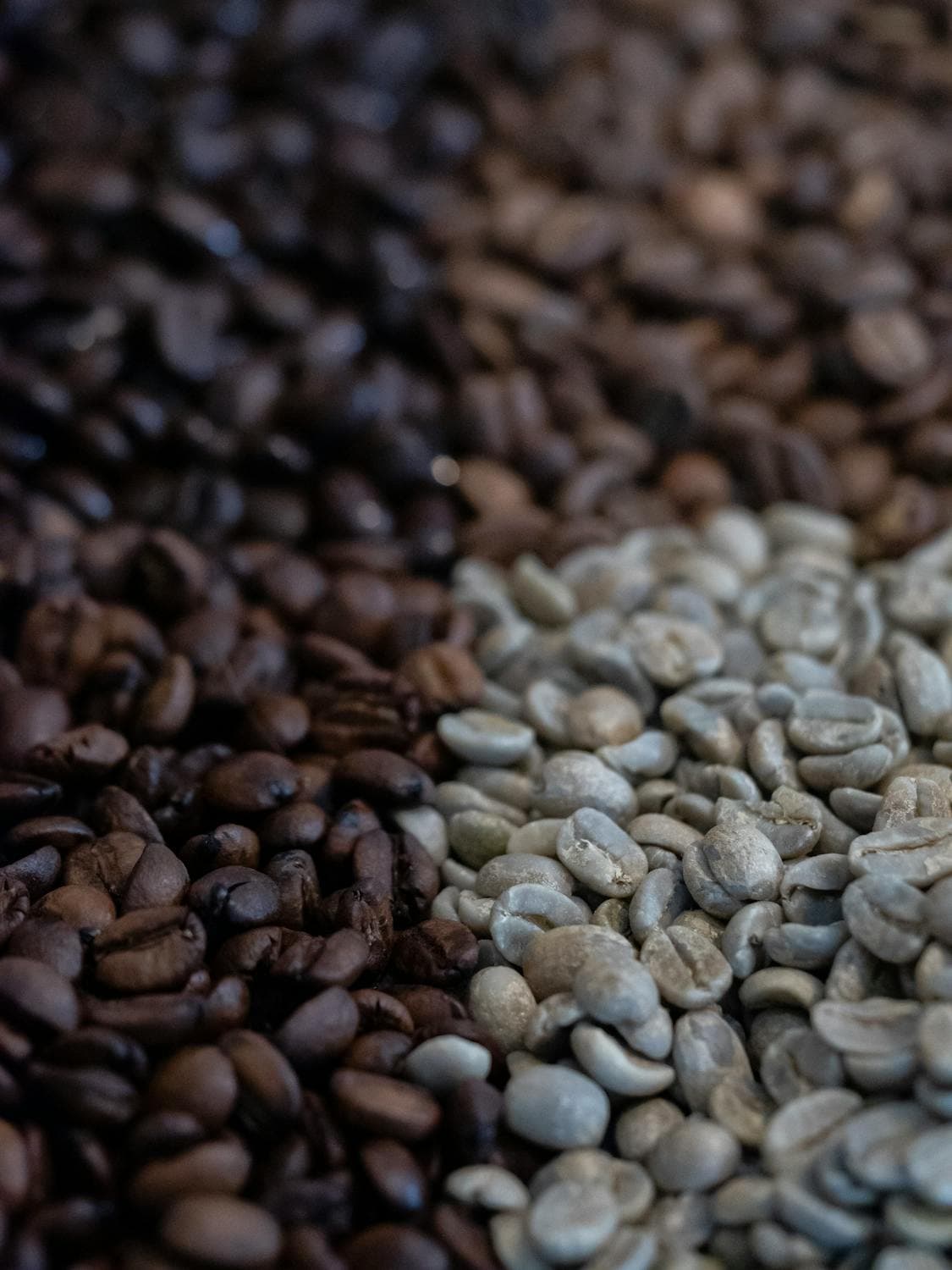
Raw coffee beans are green. They're bitter, flat, lifeless. Then comes roasting - and the magic begins.
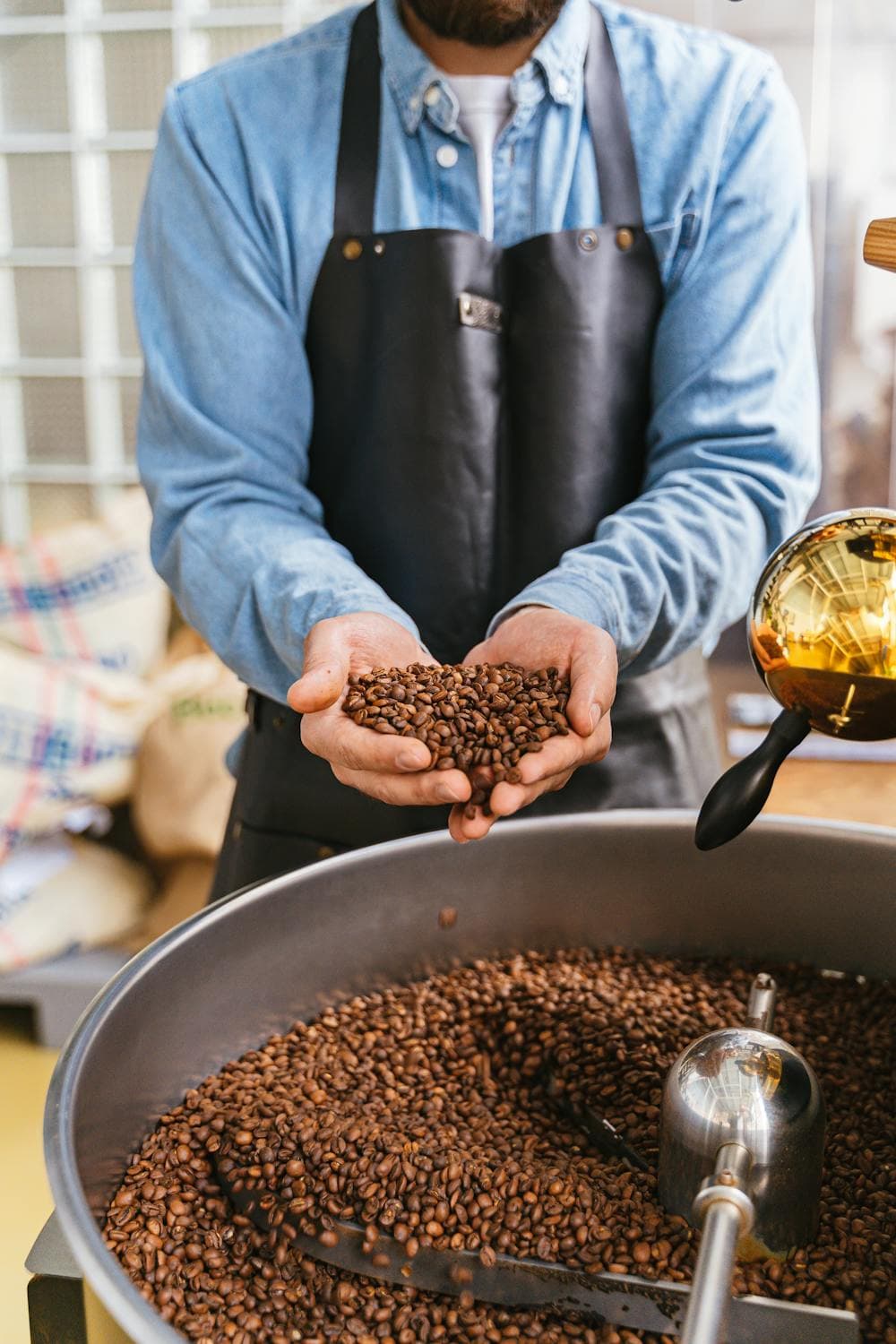
The roasting machine heats to about 200-220 degrees. Green beans go in. Heat does two important things:
1. The Maillard Reaction: This is the chemical reaction that creates flavor. Sugars and amino acids in the bean react with heat. This creates hundreds of new flavor compounds. This is the "coffee taste" you know - not from the bean itself, but from roasting.
2. The Cracks: At about 190-195 degrees comes the "first crack" - the bean splits open. A cracking sound. It means water has evaporated and the bean's internal pressure became too much.
For light roasts you stop after the first crack. For darker roasts you continue until the "second crack" at about 210 degrees. That's when the bean gets really dark.
Degassing - The Breathing Phenomenon
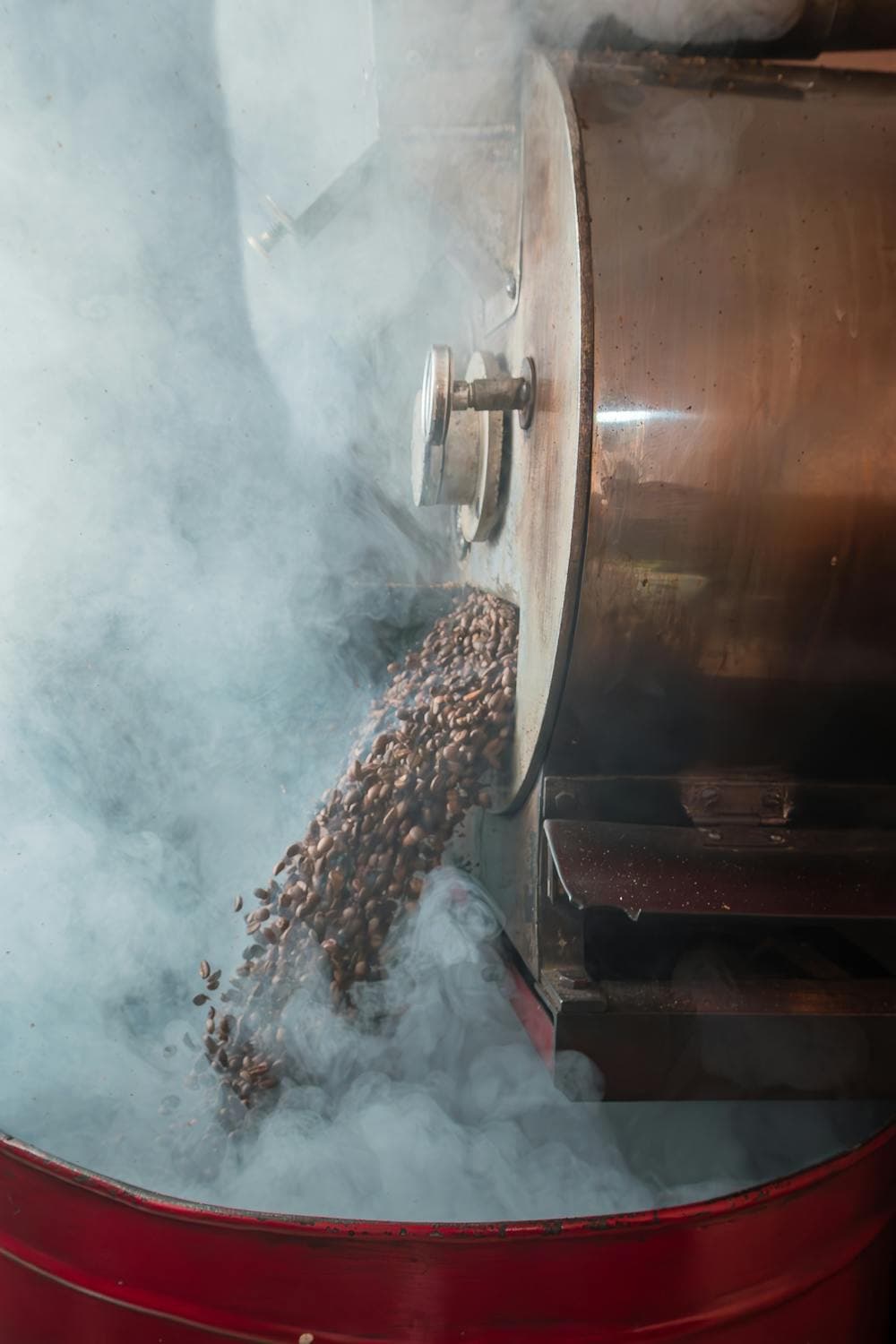
After roasting something invisible happens: the bean releases CO2. A freshly roasted bean is like a balloon full of gas. The CO2 comes out slowly.
First 24 hours: Lots of CO2. The bean is too new.
24-72 hours: CO2 drops. Flavors stabilize.
3-7 days: Optimal. The bean is roasted, but not "too old". Flavor is fully developed.
1-2 weeks: Still good, but the peak is past.
2-3 weeks: Coffee starts to fade.
4 weeks+: The bean tastes flat, dead.
The Supermarket Problem
A coffee you buy at the supermarket is probably very old. Why? Because the supply chain is long: coffee is roasted in Europe (or Asia), then packaged, sent to a warehouse, to a logistics center, to the supermarket. That takes weeks. Then the package sits on the shelf.
When you buy it, you're already 8-12 weeks past roasting. The coffee is half exhausted. The CO2 is gone. The oils are oxidized.
The result: flat taste. No complexity. No acidity (or too much stale acidity). Bitter for no reason.
The Freshness Window
Ideal is the window 5-21 days after roasting. That's when you get the most from the bean.
7-14 days: Peak. All flavors are developed. This is when micro-roasteries ship.
2-3 weeks: Still good, but you notice the sharpness fade.
After one month: Not recommended.
Why Röstpost Does This
Röstpost ships coffee directly from the roastery to you. Not through a warehouse, not through a supermarket. Direct. Most of our coffees are 3-10 days old when they arrive. That's the perfect window.
You unbox and open a coffee roasted last week. That's not "old". That's "still warm" from roasting.
3. The Taste Difference
Try it yourself: put an old supermarket coffee next to a freshly roasted coffee from a micro-roastery. The difference:
- Aroma: Freshly roasted has intense, clear aromas. Old tastes dull.
- Body: Fresh has weight, texture. Old tastes thin.
- Finish: Fresh lingers longer. Old fades fast.
- Balance: Fresh is harmonious. Old is unbalanced.
It's not the same beverage. It's two different drinks with the same name.
With Röstpost you get a freshly roasted coffee to your door every week. Always in the optimal freshness window. This isn't luxury - this is just the right way to drink coffee.