Coffee Culture
The Three Waves of Coffee: From Canned Coffee to Specialty

The Three Waves of Coffee: From Canned Coffee to Specialty
If you drink a coffee today that tastes of bergamot and apricot, there is a small story in your cup. A story told in three waves. When people talk about the Third Wave they do not just mean hip cafes with bare bulbs, they mean a fundamental shift in how coffee is grown, traded, roasted and drunk. To make sense of it, we have to look back briefly.
First Wave: coffee as an anonymous mass product
The First Wave roughly covers the post-war years through the 1960s. Coffee was a commodity then, as interchangeable as flour or sugar. Brands like Folgers and Maxwell House filled tin cans with coarsely roasted Robusta beans that sat on shelves for months. Nobody talked about origin. Whoever expected flavor notes was in the wrong decade. Coffee had to be cheap, predictable and the same every time. Instant coffee saw a huge rise because it was even more practical. This was not about pleasure, this was about function.
Second Wave: coffee becomes an experience
The Second Wave began in the late 1960s and really gained momentum in the 1980s. Alfred Peet opened his shop Peets Coffee and Tea in Berkeley in 1966 and brought a different idea from the Netherlands: darker roasts, fresh beans, varietal labels like Colombian or Kenyan. Three young men who bought from him founded a roastery called Starbucks in Seattle in 1971. From that movement a global coffee shop culture grew in the 1990s. Cappuccino, latte, frappuccino. Coffee got an experience around it, a language, a ritual. The bean itself usually stayed in the background. What mattered was the drink and the brand.
Third Wave: coffee like wine
The term Third Wave was coined by Q-grader and roasting consultant Trish Rothgeb in 2002, in an article for The Flamekeeper, the newsletter of the Roasters Guild. Specialty broker Timothy Castle had already used the phrase Coffees Third Wave in Tea and Coffee Asia in 1999. But it was Rothgebs piece that gave the movement its name. She deliberately echoed the third wave of feminism: not a new trend, a new self-understanding.
The idea is simple. Coffee should be treated like wine. Not from Brazil, but from Daterra Farm. Not from Ethiopia, but from Sidama, from Basha Farm. Beans are distinguished by variety, processing method and altitude. The Specialty Coffee Association defines specialty coffee clearly: a coffee that scores at least 80 out of 100 points on a standardized cupping protocol and is free of defects. The score is built from aroma, flavor, aftertaste, acidity, body, balance, sweetness, clean cup, uniformity and overall impression. Each category is graded on a 6 to 10 scale in quarter points.
In practice that means: lighter roasts, so the natural aromas of the bean come through instead of being buried under roast taste. Brew methods like V60, Chemex and AeroPress, because they emphasize the clarity of the cup. Direct-trade relationships between roasters and coffee farmers, often at prices far above the world market. Transparency about origin, processing, harvest year and altitude. Tasting notes like jasmine, peach or black tea that describe the character of the bean.
What the Third Wave really changed
It gave the coffee farmer a name again. For a long time a Colombian bean was just Colombia, bought on the exchange. Today you know the family, the altitude and the harvest year. The wave also changed the barista profession. Making coffee turned into a craft, with competitions, training and Q-grader certifications.
Some voices already speak of a Fourth Wave that puts science, reproducibility and sensory analysis at the center. But the foundation of that conversation is the Third Wave. Without it we would still be talking about brands instead of apricot and bergamot.
Where we stand
Switzerland, with its over two hundred small roasteries, has quietly become an epicenter of the Third Wave. Many of our partner roasteries visit farms in person, buy directly and work with beans that would never make it onto a supermarket shelf.
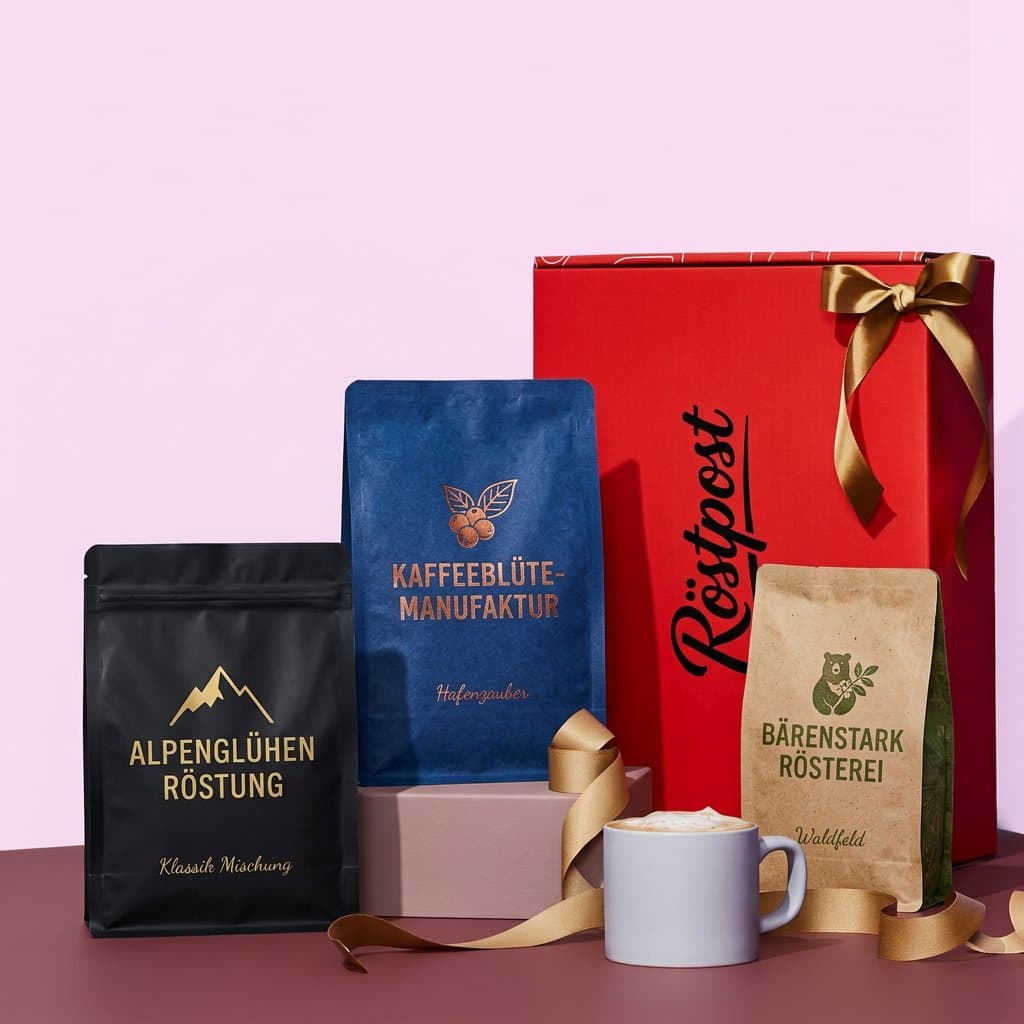
At Röstpost
We bundle this wave. On Röstpost you find specialty coffee from all over Switzerland, sorted by flavor, processing method and origin. You see which roastery your bean comes from, who roasted it and what you should taste in it. That is exactly the Third Wave, translated into a marketplace.